
 By admin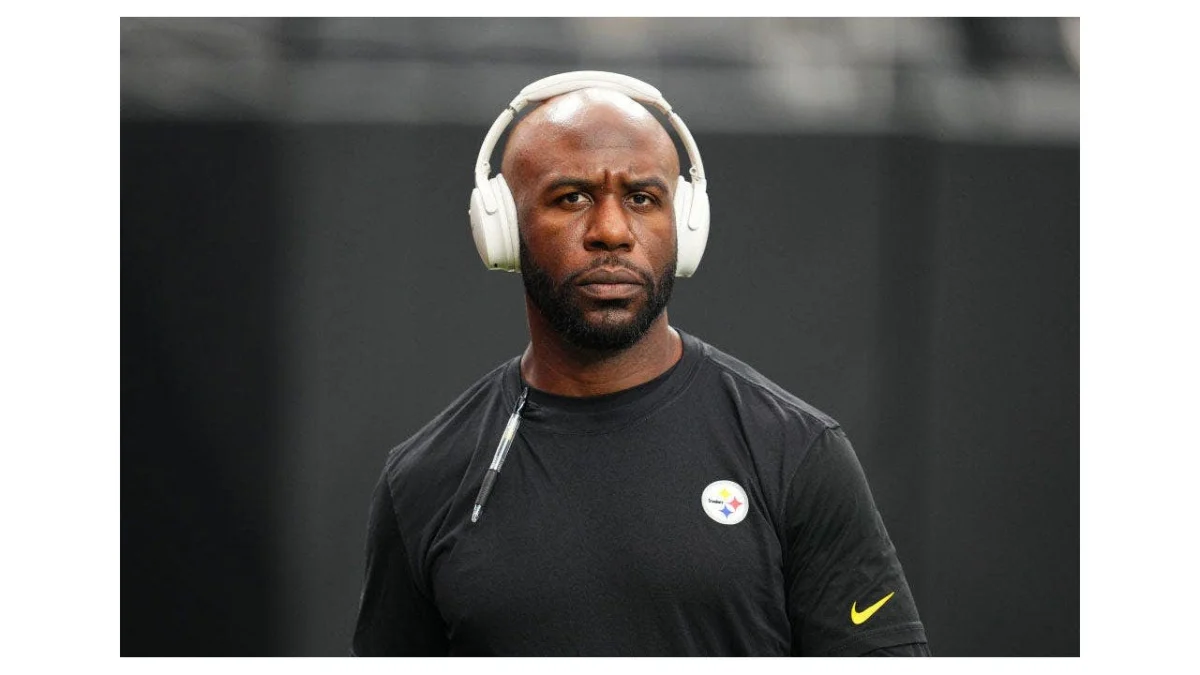
The National Football League continues to grapple with off-field conduct issues among its coaching ranks, with the Minnesota Vikings announcing a three-week suspension for defensive backs coach Gerald Alexander following his guilty plea to driving while intoxicated (DWI). This disciplinary action underscores a growing trend of NFL teams taking swift and decisive measures against personnel involved in serious legal entanglements, particularly those involving impaired driving. Alexander’s suspension, which began on July 24 and will conclude on August 13, comes after he pleaded guilty to a misdemeanor charge of third-degree DWI earlier this month. The incident that led to his arrest occurred in April.
According to the charging statement, Alexander’s blood alcohol content registered at a concerning 0.169 on an initial breathalyzer test, more than double the legal limit of 0.08 in Minnesota. This elevated BAC level indicates a significant level of impairment at the time of his arrest. As a consequence of his guilty plea on July 16, Alexander was ordered to pay $603 in fines and fees, and was assigned 48 hours of community service. He will also be subject to probation for a period of two years, a common stipulation in DWI cases designed to monitor and rehabilitate offenders.
Alexander, who was hired by the Vikings in February to serve as both the passing game coordinator and defensive backs coach, now faces a period away from his coaching duties. The team’s statement regarding the suspension emphasized their commitment to addressing such matters seriously. "Following Gerald’s arrest earlier this spring, we remained in communication with the NFL while awaiting the outcome of the legal process," the Vikings stated. "We take these situations seriously and believe this disciplinary action is appropriate." This collaborative approach between teams and the league office is crucial in maintaining the integrity of the sport and setting clear expectations for conduct.
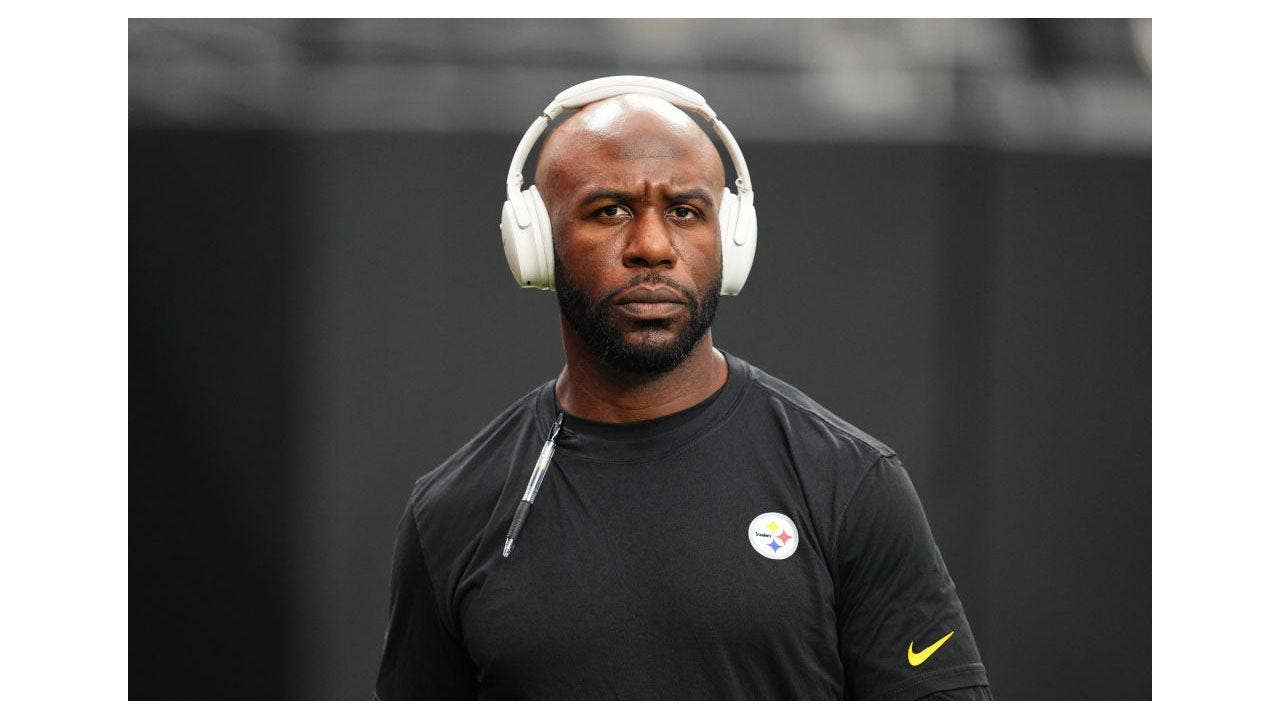
The NFL has confirmed that the club-imposed suspension will bring the matter to a close for Alexander, meaning he will not face additional discipline from the league under its personal conduct policy. This suggests that the Vikings’ disciplinary measures are deemed sufficient by the league to address the transgression. However, the NFL’s personal conduct policy is broad and allows the commissioner significant discretion in imposing penalties for actions detrimental to the league. In this instance, the league appears to be deferring to the team’s decision, likely due to the satisfactory resolution of the legal proceedings and the team’s proactive disciplinary response.
Gerald Alexander’s professional journey in the NFL has seen him work under some notable figures. Prior to joining the Vikings, he served as a defensive backs coach for the Miami Dolphins, where he was part of the coaching staff under then-head coach Brian Flores. Flores, now the defensive coordinator for the Vikings, brings a reputation for demanding discipline and accountability. It is likely that Alexander’s prior working relationship with Flores played a role in his hiring by the Vikings. Following his plea, Alexander himself issued a statement acknowledging his culpability and expressing remorse. "I take full responsibility for the situation I put myself in and apologize for not meeting the mark," Alexander said. "I know it’s unacceptable. I understand the suspension and am committed to learning from the matter and ensuring I come back a better version of myself." This public acknowledgment of fault is a critical step in the process of rebuilding trust and demonstrating a commitment to personal growth.
The case of Gerald Alexander is not an isolated incident in the NFL’s recent history. He is the second NFL assistant coach this offseason to face significant team discipline for driving under the influence allegations. Just days before the start of training camp, the Washington Commanders announced the termination of assistant coach Ben Steele. Steele, who was serving as the team’s tight ends coach, was arrested in June on suspicion of DWI. His legal troubles extend beyond the initial DWI charge, as he is also facing an additional charge for refusing a blood or breath test and for obstructing or resisting an officer without force, according to reports from The Athletic. The Commanders’ decision to part ways with Steele, especially so close to the commencement of training camp, signals a zero-tolerance policy towards such serious offenses within their organization. "We are parting ways with tight ends coach Ben Steele. The team will have no further comment at this time," the Commanders stated, a concise but firm declaration of their decision.
The timing of these two incidents, occurring within the same week, raises questions about the preparedness and understanding of potential pitfalls among NFL coaching staff, even away from the formal team environment. It suggests that there may be a need for more comprehensive training or onboarding programs that thoroughly educate coaches on the legal and professional ramifications of actions such as impaired driving. While professional athletes often face intense scrutiny for their off-field conduct, coaches are also in positions of leadership and are expected to maintain a high standard of personal behavior. The visibility of their roles means that transgressions can have a ripple effect, impacting team morale, public perception, and the league’s overall image.
The NFL has a history of dealing with players and personnel involved in DWI incidents. Famous cases include that of former Cowboys quarterback Tony Romo, who was reportedly arrested in Milwaukee for an alleged operating while intoxicated offense. While the details of Romo’s situation are not fully elaborated upon in the provided text, the mention serves as another example of high-profile individuals in the football world facing such charges. The league’s stance on these matters has evolved over time, with increasing emphasis on player and staff safety and accountability. The personal conduct policy, while subject to interpretation and application, generally aims to deter behavior that could harm the league’s reputation or compromise the safety of individuals and the public.
The circumstances surrounding Alexander’s arrest and plea highlight the dangers of driving under the influence. Even a single drink can impair judgment, reaction time, and coordination, significantly increasing the risk of accidents. The legal consequences, including fines, license suspension, community service, and probation, are designed to serve as deterrents. Beyond the legal penalties, there are also the professional repercussions, such as suspensions, loss of employment, and damage to one’s reputation – factors that Gerald Alexander and Ben Steele are now directly experiencing.
The NFL’s response to such incidents often involves a multi-faceted approach, balancing disciplinary action with opportunities for rehabilitation. For some, a suspension and the subsequent legal penalties are sufficient to prompt a change in behavior. For others, ongoing support and counseling may be necessary. The league’s commitment to player and staff well-being extends to addressing issues that can arise from substance abuse or poor decision-making. However, the primary responsibility for upholding these standards ultimately rests with the individuals themselves.
The financial penalties associated with a DWI conviction, while significant, often pale in comparison to the potential career and personal costs. For Alexander, the $603 in fines and fees is a tangible consequence, but the three-week suspension from his coaching duties represents a more substantial professional setback, impacting his ability to contribute to the Vikings’ season and potentially affecting his long-term career prospects. Similarly, Steele’s termination by the Commanders signifies a complete severance from his current coaching role, forcing him to seek new employment and potentially facing a more challenging path back into the league.
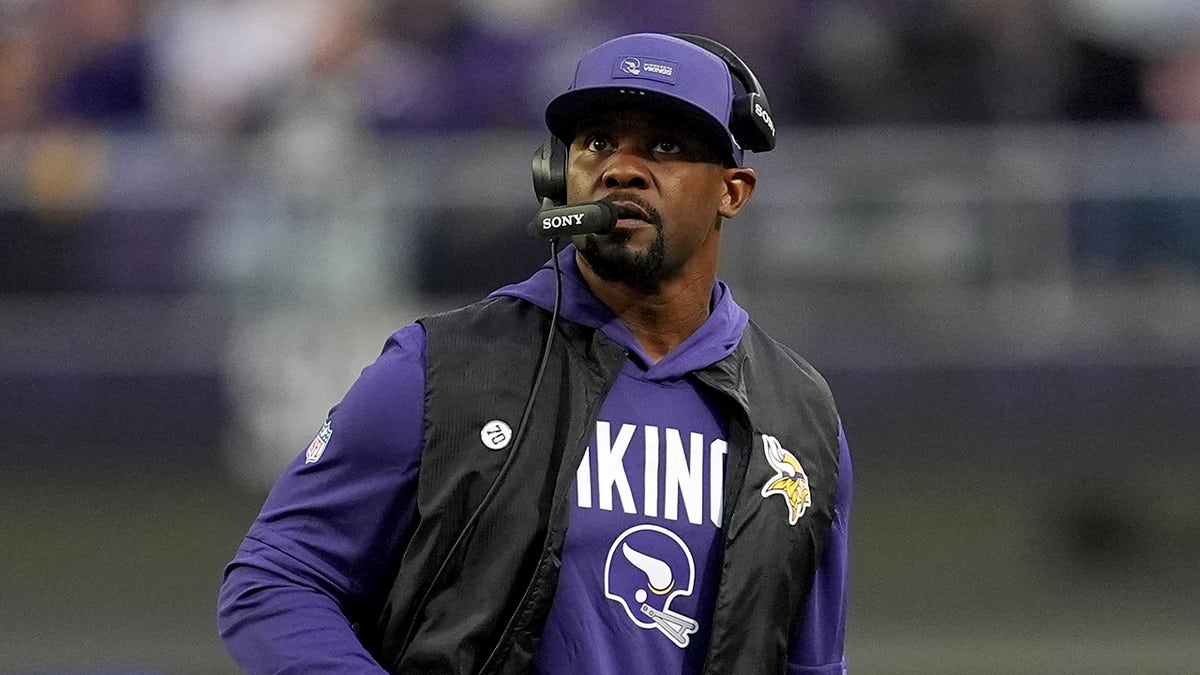
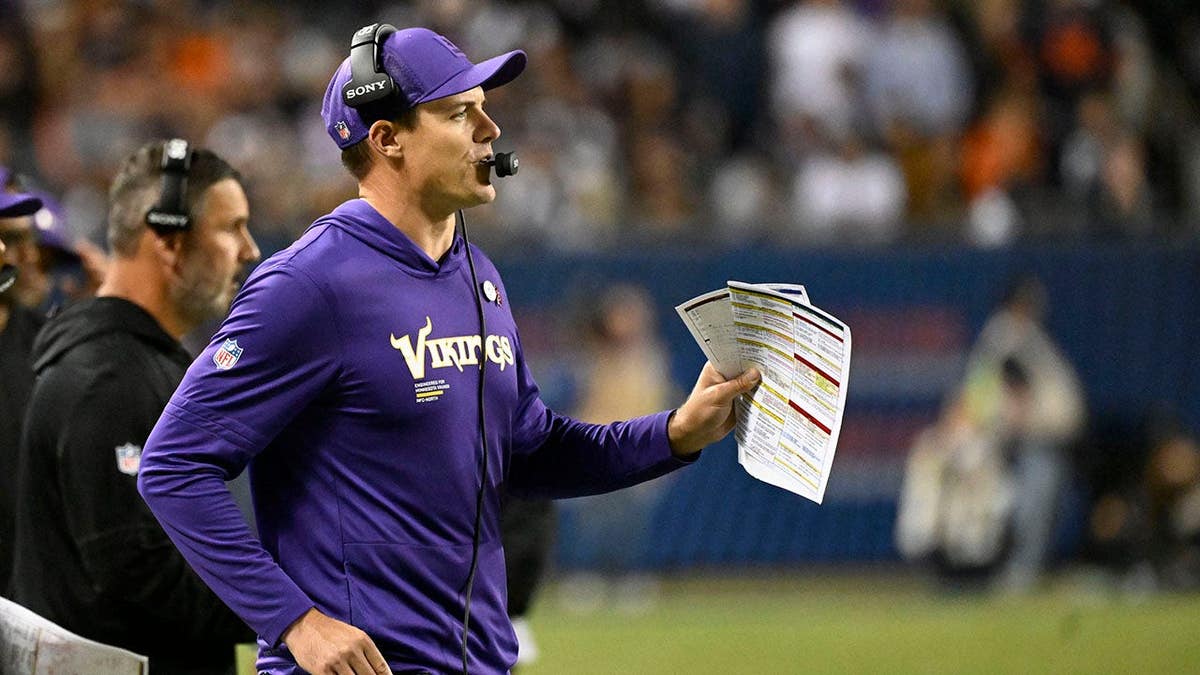
The presence of high-quality images accompanying the news article adds a visual dimension that can enhance reader engagement. The images of Minnesota Vikings head coach Kevin O’Connell, defensive coordinator Brian Flores, and former Commanders tight ends coach Ben Steele provide context and humanize the individuals involved in the NFL landscape, even when discussing disciplinary actions. These visual elements, along with the embedded links to related Fox News articles, contribute to a comprehensive and well-rounded news presentation, allowing readers to delve deeper into related topics and understand the broader implications of these events within the NFL.
The reference to "beyondwords-wrapper" and "data-layout-index" in the original HTML suggests that this content was originally part of a digital news platform, likely designed for web display and potentially incorporating features like audio playback for articles, as indicated by the initial "You can now listen to Fox News articles!" notice. This technological integration allows for diverse consumption of news content, catering to various preferences and accessibility needs.
In conclusion, the suspension of Gerald Alexander by the Minnesota Vikings and the termination of Ben Steele by the Washington Commanders serve as stark reminders of the accountability expected from all individuals associated with the National Football League. While the league strives to maintain a high standard of conduct, off-field issues continue to arise. The focus now shifts to how these individuals will learn from their mistakes and whether the league will implement further measures to proactively address and prevent such incidents in the future. The commitment to player and staff safety, both on and off the field, remains a paramount concern for the NFL and its member organizations.
