
 By admin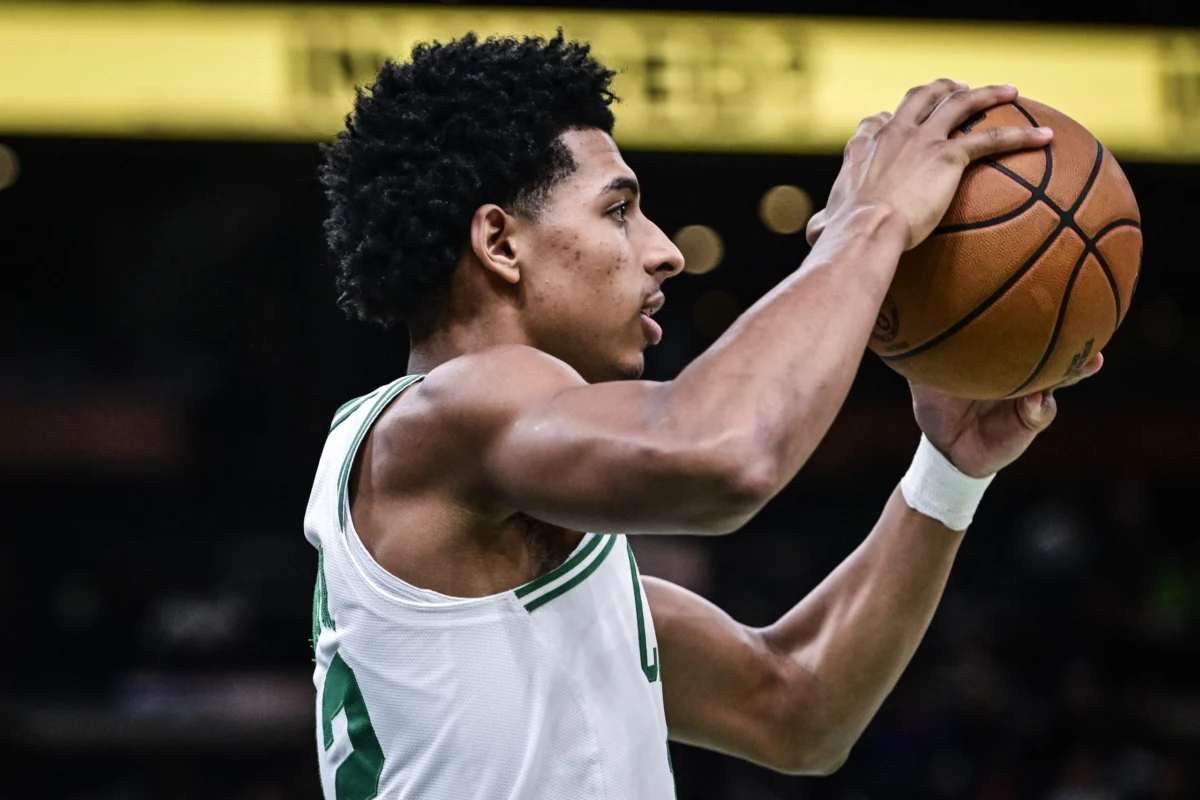
In a decision that could reshape the landscape of collegiate athletics, RJ Luis Jr., a promising former St. John’s standout, has been granted a preliminary injunction by a Louisiana court, allowing him to practice and potentially compete for the LSU Tigers this basketball season. The ruling, handed down Monday evening by East Baton Rouge Parish District Court judge Ronald R. Johnson, marks a significant victory for Luis and his legal team in their challenge against the NCAA’s stringent eligibility regulations. Luis, who had briefly been under contract with both the Utah Jazz and the Boston Celtics, but never saw game action in the NBA, expressed his relief and gratitude by embracing LSU coach Will Wade following the judge’s pronouncement.
The five-hour hearing culminated in Johnson’s decision to grant Luis’ request for the injunction, effectively overriding the NCAA’s contention that the player was unlikely to regain eligibility after forgoing his college career to pursue professional opportunities in 2025. This legal maneuver opens the door for Luis to rejoin the collegiate ranks, a move that his legal counsel, Baton Rouge-based attorney Tony Clayton and Elliot Abrams of Raleigh, North Carolina, hailed as "precedent" and "monumental."
"This allows him to go practice, go play and we’ll let the legal process work itself out," stated Clayton, emphasizing the groundbreaking nature of the ruling. The timeline for the broader legal process remains uncertain, with Clayton acknowledging that significant discovery and information gathering lie ahead for his team. "We’ve got a lot of questions," he added, hinting at the complexities that still need to be addressed.
At the heart of Luis’ legal challenge was the argument that the NCAA has inconsistently applied its rules, particularly concerning international players. Luis’ attorneys pointed to numerous instances where the NCAA has granted exceptions for athletes from overseas professional leagues to join American college basketball programs. They asserted that American players, like Luis, who have not yet established a significant professional track record, should be afforded the same opportunities. Their case was bolstered by the fact that Luis not only never played in an NBA game but also missed out on playing for the Celtics’ G League affiliate due to an injury. This, they argued, meant his professional basketball resume was far less extensive than that of many players recruited from abroad who had played professionally in their home countries.
Representing the NCAA, attorney Taylor Askew countered that Luis’ situation was fundamentally different from that of international players. Askew argued that Luis had made a conscious decision to leave college with the explicit intent of turning professional, a choice that should carry consequences according to NCAA bylaws. Askew drew a parallel to the case of Alabama’s Charles Bediako, another player who had briefly declared for the NBA draft before returning to college. Bediako had initially secured a temporary restraining order to play five games for Alabama, but ultimately an Alabama judge sided with the NCAA, ruling him ineligible.
"I understand Mr. Luis is disappointed that he was not drafted and did not play in the NBA as much as he would have liked," Askew stated during the proceedings. "Actions have consequences. Decisions have outcomes and they’re not always the right ones or the ones that you want." This sentiment underscored the NCAA’s position that athletes must be held accountable for the choices they make regarding their eligibility.
However, Judge Johnson’s ruling appeared to lean heavily on the interpretation of Luis’ professional experience. In delivering his decision, the judge explicitly stated, "In the court’s mind, (Luis) did not actually play professional basketball." Furthermore, he indicated that the question of whether Luis had been adequately informed of his options and the potential ramifications when he initially left college "lingers heavily before this court," suggesting a potential lack of clarity or misguidance in the original decision-making process.
This ruling carries significant implications beyond RJ Luis’ immediate situation. For years, the NCAA has faced increasing scrutiny and legal challenges regarding its eligibility rules, particularly concerning players who test the professional waters before returning to college. The NCAA’s model, which has historically prohibited players from earning money or signing professional contracts while maintaining amateur status, has been criticized as outdated and out of step with the evolving landscape of professional sports, especially in light of Name, Image, and Likeness (NIL) opportunities for college athletes.
The NCAA’s business model, built on the concept of amateurism, has generated billions of dollars in revenue, primarily through media rights for its championship events, most notably the NCAA Men’s and Women’s Basketball Tournaments. This financial success has often been juxtaposed with the fact that the athletes who generate this revenue receive no direct compensation beyond scholarships, which are often seen as insufficient to cover the full value of their athletic contributions.
The case of RJ Luis highlights a growing tension between the NCAA’s traditional regulatory framework and the increasing agency of student-athletes. The ability of athletes to explore professional opportunities, sign with agents, and even enter into contracts with professional organizations, while still retaining the possibility of returning to college, represents a significant shift. The precedent set by this ruling could embolden other athletes in similar situations to pursue legal avenues to regain eligibility, potentially forcing the NCAA to re-evaluate its policies on player movement and professional engagement.
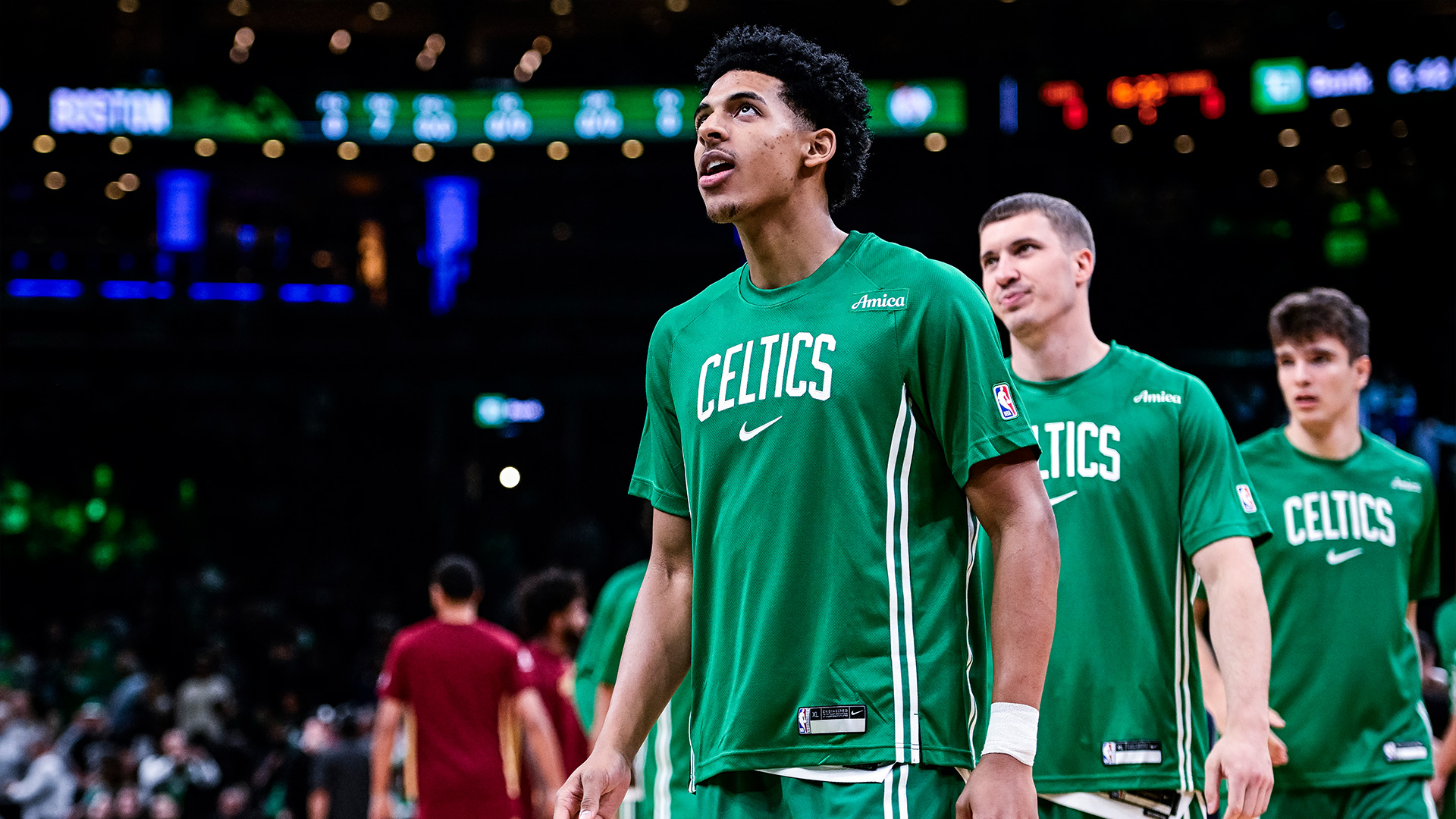
The legal battle began after Luis, a highly touted prospect from New York, initially declared for the NBA draft. While he signed with agents and participated in workouts with NBA teams, he ultimately went undrafted and then briefly signed with the Utah Jazz and later the Boston Celtics, though he never played in a regular-season NBA game. His subsequent desire to return to college basketball and play for LSU, a perennial powerhouse, was met with resistance from the NCAA, which viewed his professional engagements as disqualifying.
The NCAA’s argument that Luis’ situation was akin to players who have played professionally overseas is a key point of contention. Many international players who have entered the NCAA system have done so after playing in leagues that are often considered developmental or semi-professional. The NCAA’s rules have historically allowed for more leniency in these cases, recognizing that the pathways to professional basketball in other countries can differ significantly from the United States. However, Luis’ path involved direct engagement with NBA organizations, a distinction that his legal team has effectively used to challenge the NCAA’s uniform application of its rules.
The role of attorney Tony Clayton in advocating for athletes’ rights has been prominent in recent years. He has been involved in several high-profile cases challenging the NCAA, often focusing on issues of fairness and due process. His partnership with Elliot Abrams, who brings expertise in sports law, further strengthens Luis’ legal representation. Their strategic approach has focused on exploiting perceived inconsistencies and loopholes in the NCAA’s complex web of regulations.
The financial implications of this ruling are also noteworthy. For LSU, securing a player of Luis’ caliber could significantly boost their chances of contending for national championships. For the NCAA, a series of such legal defeats could erode its authority and potentially lead to a more player-empowered collegiate sports environment. The ongoing debate about athlete compensation and the structure of college sports is likely to intensify as more cases like Luis’ come to the forefront.
The "discovery" phase mentioned by Clayton will likely involve a deep dive into the NCAA’s internal processes, its communication with Luis and his representatives, and the specific criteria used to evaluate his eligibility. It is also possible that the legal teams will seek to uncover evidence of disparate treatment or bias in the NCAA’s decision-making. The comparison to international players will undoubtedly remain a central theme, as Luis’ legal team seeks to establish that he has been unfairly penalized compared to athletes with comparable or even more extensive professional experience from outside the United States.
The immediate future for RJ Luis involves preparing to join his LSU teammates on the court. However, the legal battles are far from over. The preliminary injunction is just one step in a potentially lengthy legal process. The NCAA may appeal the decision, and further legal arguments could ensue. Regardless of the ultimate outcome of the legal proceedings, this ruling has already sent a clear message to the NCAA: its long-standing eligibility rules are facing significant challenges, and the era of unquestioned amateurism in college sports is rapidly evolving, driven by athlete empowerment and legal recourse. The impact of this case will likely be felt across college sports for years to come, prompting a critical re-examination of fairness, opportunity, and the very definition of student-athlete status in the modern era.
