
 By admin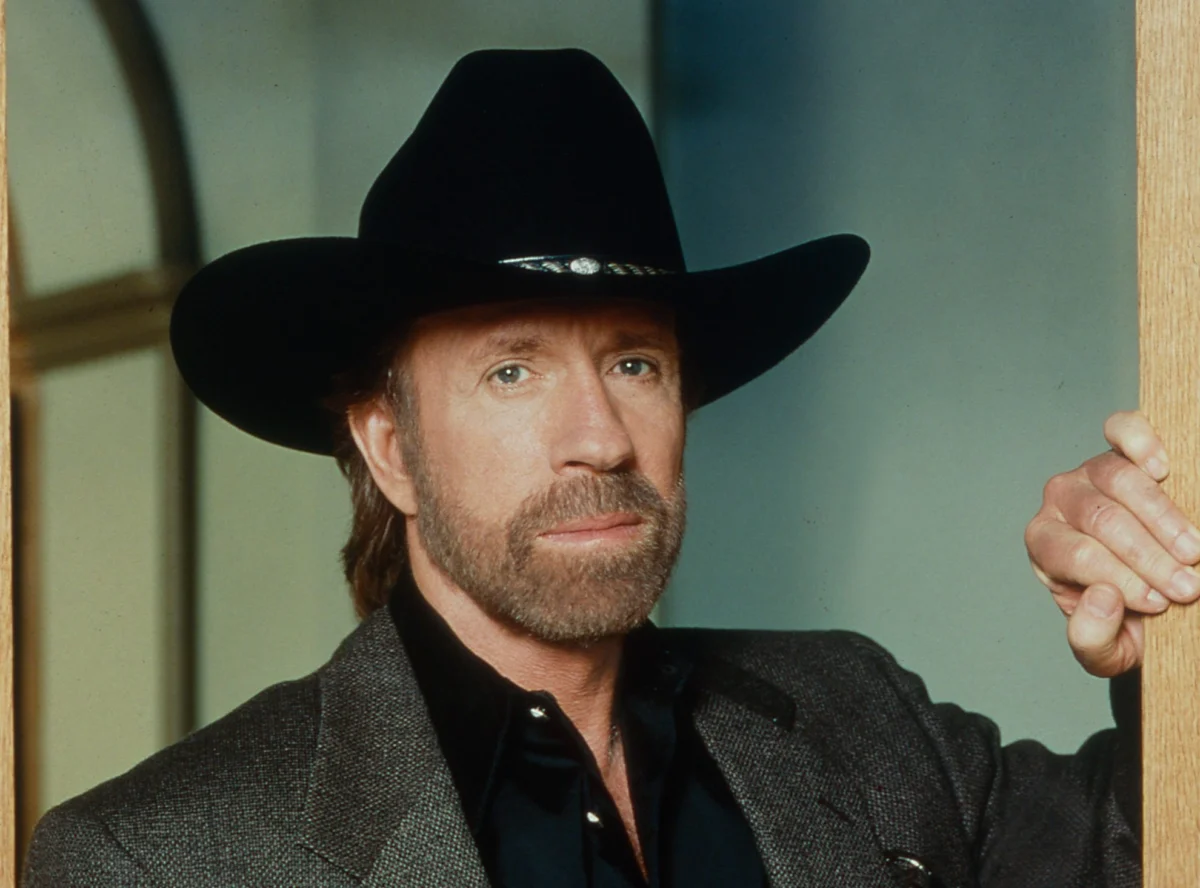
The television world is abuzz with disappointment and disbelief following the Television Academy’s decision to omit legendary martial artist and actor Chuck Norris from its annual "In Memoriam" tribute at the recent Emmy Awards ceremony. Norris, who tragically passed away in March at the age of 86, was a towering figure in 1990s television, forever etched in the hearts of fans as the stoic and justice-serving Cordell Walker in the immensely popular CBS procedural, "Walker, Texas Ranger." The show, which enjoyed a successful nine-season run, spanning an impressive 203 episodes from 1993 to 2001, solidified Norris’s status as a cultural icon. His dedication to the role was unwavering; he remained with the series for its entirety and even reprised his iconic character for the 2005 television movie, "Walker, Texas Ranger: Trial by Fire."
Judson Mills, who shared the screen with Norris as Francis Gage in the final two seasons of "Walker, Texas Ranger" and the subsequent telefilm, did not mince words when expressing his dismay. In a candid interview with TMZ, Mills unequivocally labeled the Emmys’ oversight as a "terrible" and "tragic" mistake. His emotional reaction stems from a deep respect and admiration for Norris, both as an actor and as a man. Mills articulated his immediate concern for Norris’s widow, Gena O’Kelley, and the entire family, recognizing the profound pain such an omission could inflict on those closest to the beloved star.
"Tragic mistake. And I have to assume it was just a terrible mistake. But my first thought was Gena and the family and his fans," Mills stated, his voice laced with a palpable sense of injustice. He emphasized that while he is confident Chuck Norris himself would advocate for forgiveness, understanding the martial arts legend’s magnanimous spirit, the lack of recognition for an individual of his stature is deeply hurtful. "I’m confident Chuck would encourage forgiveness. He was an ‘it’s not all about me’ kind of guy," Mills elaborated, highlighting Norris’s humility. "But for an icon of his stature who impacted not only Hollywood, but the entire world, to see him not receive recognition at all and to see the family not receive that recognition was disappointing… It hurt my feelings for sure. He was a legend for God’s sake."
The exclusion of Chuck Norris from the Emmys’ solemn tribute is not an isolated incident, as the segment unfortunately saw several other notable omissions. The decision to leave out Nicholas Brendon, best known for his role as Xander Harris in the beloved cult classic "Buffy the Vampire Slayer," has also drawn considerable criticism, particularly given that the ceremony featured a "Buffy" reunion between co-stars Sarah Michelle Gellar and David Boreanaz earlier in the evening. This juxtaposition made Brendon’s absence even more jarring for fans of the series.
Beyond Norris and Brendon, other individuals whose lives and careers were overlooked in the In Memoriam segment include Patrick Muldoon, a familiar face from "Days of Our Lives" and the sci-fi action film "Starship Troopers"; Jaye P. Morgan, a fixture on "The Gong Show"; Daveigh Chase, who delivered a chilling performance in "The Ring"; and Grizz Chapman, a memorable performer from the critically acclaimed sitcom "30 Rock." The cumulative effect of these omissions has fueled a broader conversation about the criteria used by the Television Academy for its annual tribute and the potential for oversights that diminish the significance of the acknowledgment.
Chuck Norris’s passing was formally announced by his family on March 20th, accompanied by a poignant statement that eloquently captured his multifaceted legacy. The family’s words painted a picture of a man who was, to the world, a formidable martial artist, a captivating actor, and an enduring symbol of strength and resilience. However, to his loved ones, he was far more: a devoted husband, a loving father and grandfather, an incredible brother, and the very heart of their family. Their statement underscored his life’s guiding principles: "He lived his life with faith, purpose, and an unwavering commitment to the people he loved. Through his work, discipline, and kindness, he inspired millions around the world and left a lasting impact on so many lives." This deeply personal testament serves as a stark contrast to the perceived impersonal nature of the Emmys’ decision.
The impact of "Walker, Texas Ranger" on popular culture cannot be overstated. For nine seasons, the series provided audiences with a steady diet of high-octane action, clear-cut morality, and the undeniable charisma of Chuck Norris as a Texas Ranger who embodied justice and unwavering principle. Norris’s signature martial arts prowess was seamlessly integrated into the narrative, making each episode a showcase for his unique talents. The show tapped into a deep-seated desire for a hero who was both physically formidable and morally incorruptible, a character archetype that resonated powerfully with a broad demographic. "Walker, Texas Ranger" wasn’t just a television show; it was a cultural phenomenon that defined a generation’s perception of heroism and law enforcement. The show’s syndication success and enduring popularity in reruns speak volumes about its lasting appeal and Norris’s central role in that appeal.
Beyond his acting career, Chuck Norris cultivated a persona that transcended the screen. His "Chuck Norris facts" became a viral sensation, a testament to his larger-than-life image and the playful reverence he commanded. These humorous, exaggerated "facts" celebrated his perceived invincibility and superhuman abilities, further cementing his status as a pop culture icon. This widespread adoration and recognition, built over decades, makes his absence from a tribute dedicated to honoring television’s departed luminaries all the more perplexing.
The Emmys’ "In Memoriam" segment is intended to be a moment of collective remembrance and appreciation for individuals who have made significant contributions to the television industry. It is a time when peers, fans, and the industry at large come together to acknowledge and celebrate the lives and legacies of those who have shaped the medium. The omission of such a prominent and beloved figure as Chuck Norris raises important questions about the selection process and the potential for blind spots. While the Television Academy likely has a set of criteria for inclusion, the public perception of who deserves to be honored can often diverge from internal guidelines. In cases like Norris’s, where his impact is so widely recognized and his connection to television so profound, the absence is felt keenly by a vast audience.
The emotional response from Judson Mills is emblematic of the broader sentiment among fans and industry observers. His words convey not just a personal grievance but a defense of an artist whose contributions were undeniably significant. Mills’s emphasis on Norris’s character – his humility and encouragement of forgiveness – adds another layer to the narrative, suggesting that while the snub is hurtful, the spirit of the man being remembered would likely transcend personal offense. However, this does not diminish the validity of the disappointment. The Emmys have a responsibility to reflect the collective memory and impact of those within the television community. When that reflection appears to be incomplete, it invites scrutiny and calls for greater transparency and inclusivity.
The inclusion of other, arguably less prominent, figures in the In Memoriam segment only serves to amplify the questions surrounding Norris’s exclusion. While every life deserves remembrance, the perceived disparity in recognition can lead to speculation and frustration. The entertainment industry is a complex ecosystem, and while official accolades are not the sole measure of an artist’s worth, they do hold a certain symbolic power. For a figure as universally recognized and beloved as Chuck Norris, a place in the Emmys’ In Memoriam would have been a fitting and expected acknowledgment of his indelible mark on television history.
The discussion surrounding the Emmys’ oversight also brings to the forefront the subjective nature of fame and legacy within the industry. While some careers are undeniably monumental, others, though significant to specific fan bases, may not achieve the same level of widespread recognition. However, Chuck Norris exists in a unique space, bridging the gap between mainstream celebrity and enduring cultural icon. His name is synonymous with a particular era of action television, and his persona has permeated popular culture in ways that few others have.
Ultimately, the controversy surrounding Chuck Norris’s exclusion from the Emmys’ In Memoriam tribute serves as a potent reminder of the powerful connections forged between performers and their audiences. It highlights the importance of honoring legacies in a way that resonates with the public and acknowledges the diverse tapestry of talent that has graced the television landscape. As Judson Mills so eloquently put it, Chuck Norris was a legend, and his absence from such a significant tribute is a disservice not only to his memory but to the millions of fans who continue to celebrate his contributions. The Television Academy’s decision has undeniably sparked a necessary conversation about how we remember and honor the icons who have shaped our shared cultural experiences.
