
 By admin
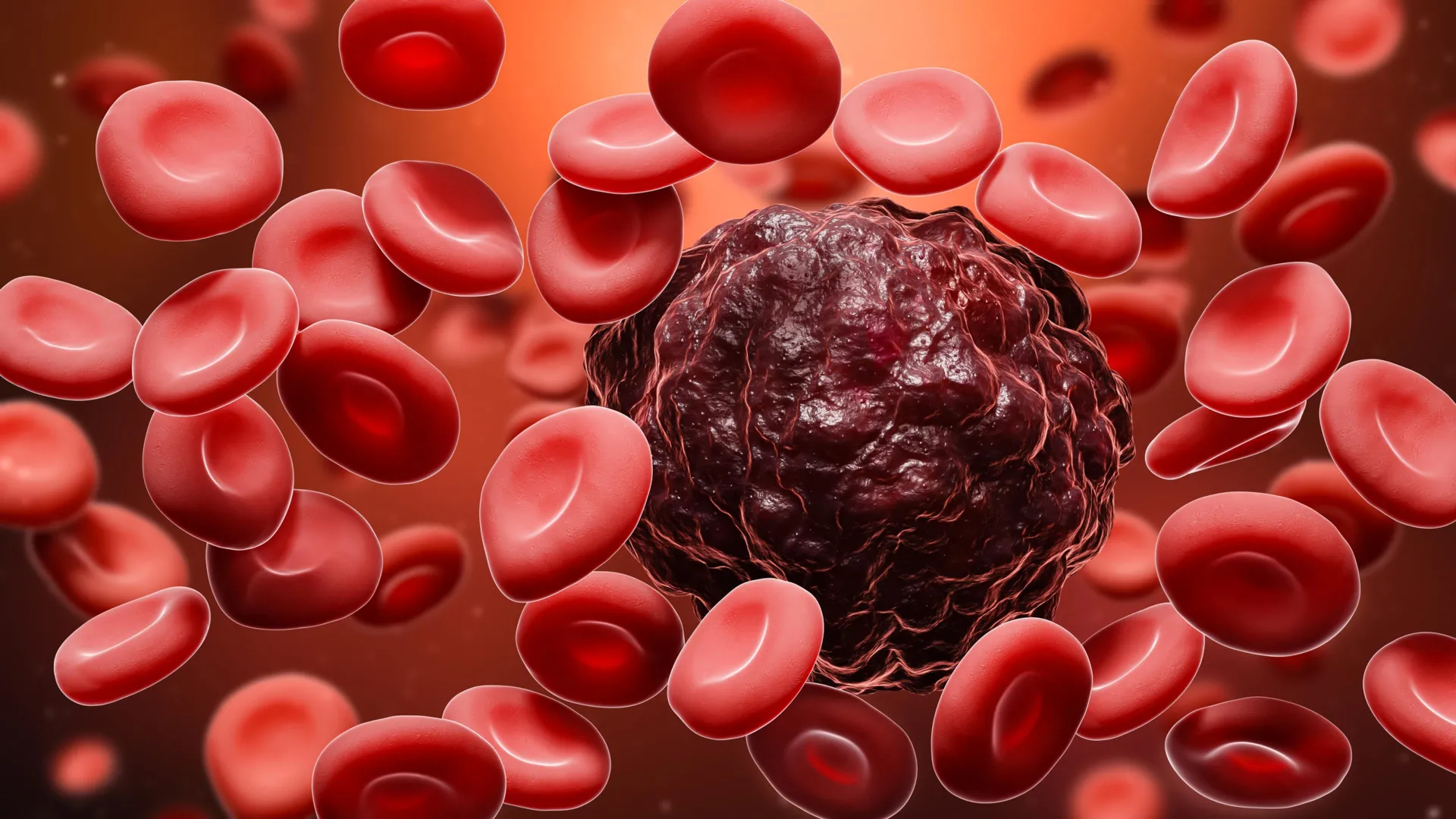
In a significant stride toward addressing this formidable challenge, a pioneering clinical trial, spearheaded by a team of researchers at Washington University School of Medicine in St. Louis, has unveiled a novel approach. Their findings suggest that the strategic genetic modification of donor stem cells prior to transplantation could fundamentally transform the landscape of follow-up cancer treatments, rendering them not only safer but also potentially more efficacious. The innovative strategy centers on the precise removal of a specific protein from donor cells. This ingenious modification creates a scenario where subsequent therapies, meticulously designed to target that particular protein, can effectively seek out and eradicate cancer cells while crucially sparing the healthy, transplanted cells that are vital for reconstituting the patient’s blood system.
This groundbreaking study was meticulously conducted across a wide network of leading cancer centers, including the Siteman Cancer Center—a collaborative effort between Barnes-Jewish Hospital and Washington University School of Medicine—along with 14 other prominent sites spanning the United States and Canada. The comprehensive results of this multi-institutional endeavor have been published in the esteemed scientific journal Nature Medicine, marking a pivotal moment in the advancement of cancer immunotherapy.
Navigating the Intricacies of Aggressive Blood Cancers and the CAR-T Therapy Conundrum
Acute myeloid leukemia (AML) and myelodysplastic syndromes (MDS) are particularly aggressive forms of blood cancer characterized by the rapid, uncontrolled growth of abnormal myeloid cells in the bone marrow and blood. AML, for instance, is one of the most common acute leukemias in adults, with a notoriously poor prognosis, especially for high-risk subsets or those experiencing relapse. MDS, often a precursor to AML, involves ineffective production of blood cells, leading to cytopenias and a high risk of transformation to full-blown leukemia. For many patients, particularly those with high-risk features, allogeneic HSCT remains the only viable curative option, offering the chance to replace diseased bone marrow with healthy donor cells. However, the high rates of post-transplant relapse, often exceeding 30-50% in AML, severely limit long-term survival and necessitate novel preventative and salvage therapies.
A major therapeutic advancement in oncology over the past decade has been CAR-T cell therapy, which involves genetically engineering a patient’s own T cells to recognize and attack cancer cells. This revolutionary immunotherapy has demonstrated remarkable efficacy, achieving durable remissions and even cures in certain aggressive lymphoid blood cancers, such as B-cell acute lymphoblastic leukemia and large B-cell lymphoma. However, its application in myeloid malignancies like AML and MDS has been severely hampered by a fundamental biological challenge, as highlighted by corresponding author John F. DiPersio, MD, PhD, the Virginia E. & Sam J. Golman Professor of Medicine at WashU Medicine and director of the Center for Gene and Cellular Immunotherapy.
The core impediment, DiPersio explained, lies in the shared expression of many target proteins. Numerous proteins that are abundantly found on AML and MDS cancer cells are also present on healthy myeloid cells, including the crucial donor stem cells utilized in transplantation. If CAR-T cells are engineered to target one of these ubiquitous proteins, they are faced with a dilemma: they may inadvertently destroy healthy blood stem cells alongside the malignant cells. This phenomenon, often termed "on-target, off-tumor" toxicity, leads to several detrimental consequences. Firstly, it can trigger a dangerous and often severe inflammatory response, known as cytokine release syndrome, which can be life-threatening. Secondly, it can cause prolonged myelosuppression by depleting the healthy donor-derived blood cells, compromising the patient’s ability to recover normal hematopoiesis and immune function post-transplant. Finally, this indiscriminate targeting can paradoxically weaken the anti-cancer treatment itself, as a substantial proportion of CAR-T cells become engaged in attacking healthy targets rather than concentrating their therapeutic power exclusively on the malignant cells. This "antigen sink" effect reduces the effective dose of CAR-T cells available to fight the tumor, diminishing overall efficacy.
The foundational idea for circumventing this profound problem was initially conceived and described by Miriam Y. Kim, MD, now an assistant professor of medicine at WashU Medicine. Dr. Kim initiated this pivotal research during her tenure as a postdoctoral researcher at the University of Pennsylvania and further advanced it within Dr. DiPersio’s lab before establishing herself as an independent investigator within the WashU Medicine Division of Oncology. Her clinical practice at Siteman Cancer Center, where she also serves as a research member, provides her with direct insights into the challenges faced by patients, fueling her commitment to translational research.
Precision Shielding: Removing CD33 From Healthy Stem Cells
The innovative strategy pursued in this clinical trial involved a highly targeted genetic modification: patients with AML and MDS received donor stem cells that had been precisely engineered to remove a protein known as CD33. CD33 is a cell surface receptor expressed on myeloid progenitor cells and mature myeloid cells, including AML blasts. The overarching objective of this genetic deletion was to generate a population of healthy blood cells that would no longer possess the CD33 protein, thereby rendering them invulnerable and "invisible" to any subsequent treatments specifically designed to attack CD33. This creates a selective therapeutic window, a "precision shield," allowing for the aggressive targeting of CD33-positive cancer cells while preserving the integrity and function of the healthy, gene-edited donor cells.
"We are profoundly encouraged by the initial results of this study, which clearly demonstrate that a CD33-deleted stem cell transplant yields outcomes strikingly similar to those observed with standard stem cell transplantation in terms of engraftment and early recovery," stated Dr. DiPersio. "Looking ahead, we are immensely hopeful that we will be able to seamlessly combine this groundbreaking approach with highly potent CD33-targeted immunotherapies, such as CAR-T cells. This combination holds immense promise to significantly improve the treatment landscape and long-term outcomes for patients afflicted with these notoriously aggressive blood cancers."
Further bolstering the promise of this strategy, Dr. DiPersio and his collaborators have also reported a compelling single case study that serves as a powerful proof-of-concept. This case involved a patient with high-risk AML who underwent a CD33-deleted stem cell transplant. When the patient’s cancer regrettably returned, a critical decision was made: the patient was subsequently treated with CD33-targeted CAR-T cells. Crucially, these CAR-T cells were manufactured from T cells provided by the same donor who supplied the original gene-edited stem cells, ensuring compatibility and maximizing the potential for a targeted response.
The outcome was nothing short of remarkable. The patient, who had been diagnosed with one of the most aggressive and refractory forms of AML, achieved a complete remission and, notably, remained cancer-free for more than one year following the intensive CAR-T treatment. Furthermore, normal blood cell production was fully restored, and all of the patient’s circulating blood cells were found to completely lack CD33. This latter finding was a critical indicator, unequivocally demonstrating that the genetically engineered donor cells had successfully and durably established themselves in the bone marrow, effectively creating a CD33-negative hematopoietic system. Dr. DiPersio served as the senior author of this pivotal case study, which was published in October 2025 in JCO Precision Oncology, further cementing the viability of this innovative therapeutic pathway.
The Rationale Behind Shielding Healthy Blood Cells and Clinical Trial Mechanics
CD33 emerges as an exceptionally attractive target for this "prime and shield" strategy due to several key biological characteristics. Firstly, the protein’s expression is largely restricted to blood-forming cells (hematopoietic cells) and is not found on other vital tissues throughout the body, minimizing the risk of systemic off-target toxicities. Secondly, compelling evidence suggests that CD33 is not essential for the normal functioning of blood stem cells or for healthy hematopoiesis. This is evidenced by the fact that individuals born with natural genetic deletions or mutations that result in the absence of CD33 do not appear to suffer from any related health problems or hematopoietic dysfunction. This natural human evidence provides a strong biological rationale for its safe deletion in a therapeutic context.
The theoretical underpinning of this approach is elegant: following a successful transplant with CD33-deleted stem cells, any cells within the patient’s body that still express CD33 should primarily, if not exclusively, be residual or relapsed cancer cells. Consequently, a subsequent CAR-T therapy or another immunotherapy specifically engineered to target CD33 could then unleash its full destructive potential against these malignant cells, confident that it would leave the healthy, donor-derived blood cells – which now lack CD33 – completely unharmed. This selective targeting dramatically reduces the "on-target, off-tumor" toxicity that has historically plagued CAR-T approaches in myeloid malignancies.
The phase 1/2 multicenter trial was designed to rigorously test this hypothesis. It enrolled 30 adult patients diagnosed with either AML or MDS who were categorized as having a high risk of disease relapse, a patient population in dire need of more effective interventions. Prior to transplantation, the donor stem cells were subjected to precise modification using state-of-the-art CRISPR gene editing technology to meticulously remove the CD33 gene.
The resulting gene-edited, CD33-deleted stem cell product is known as tremtelectogene empogeditemcel, or trem-cel for short. This innovative therapeutic agent was developed by Vor Biopharma, a biotechnology company that also provided funding for the pivotal study, underscoring the vital collaboration between academic research and industry in bringing novel therapies to patients.
Testing a CD33-Targeted Cancer Treatment: Initial Validation
To thoroughly assess whether the gene-edited stem cells could indeed withstand a therapy specifically directed at CD33, patients in the trial also received a maintenance treatment after transplantation. The chosen drug for this initial validation was gemtuzumab ozogamicin. It is important to note that gemtuzumab ozogamicin is not a CAR-T cell therapy; rather, it is an antibody-drug conjugate. This sophisticated engineered antibody is designed to recognize and bind to the CD33 protein, and upon binding, it delivers a potent anti-cancer chemotherapy drug directly into the cells carrying the protein.
Gemtuzumab ozogamicin holds approval from the Food and Drug Administration (FDA) for the treatment of CD33-positive AML and is currently undergoing evaluation in clinical trials for CD33-positive MDS. While this treatment can be instrumental in preventing disease relapse, its clinical utility has historically been constrained by significant side effects. These include severe liver toxicity (veno-occlusive disease) and, critically, damage to healthy blood-forming cells, leading to dangerously low levels of white blood cells (neutropenia), red blood cells (anemia), and platelets (thrombocytopenia). The use of gemtuzumab in this context provided an excellent opportunity to test the protective effect of the CD33-deleted stem cells against a known CD33-targeting agent.
Successful Engraftment and Protection of Gene-Edited Cells
The results regarding engraftment were highly encouraging: all 30 enrolled patients achieved successful engraftment by day 28 post-transplant. This crucial milestone signifies that the transplanted stem cells had successfully migrated to the bone marrow and commenced the vital process of producing new blood cells. Many patients reached this milestone even sooner, with platelet production, a key indicator of hematopoietic recovery, returning by day 16 on average.
These recovery times for engraftment and hematopoietic reconstitution were remarkably similar to what is typically observed with standard, unmodified stem cell transplantation. This finding is of paramount importance, as it indicates that the CRISPR-mediated gene editing process did not impair the ability of the donor stem cells to engraft, proliferate, and differentiate into mature blood cells, thereby alleviating concerns about potential negative impacts of the genetic manipulation on cell function.
The average survival duration observed in this early-phase trial was just over 14 months. Nineteen patients, as part of a carefully designed dose-escalation protocol, received at least one cycle of gemtuzumab ozogamicin. This allowed researchers to systematically identify a recommended dose for future studies while monitoring for safety and efficacy.
Crucially, across the various doses of gemtuzumab administered, patients consistently maintained stable blood cell counts. This observation is a direct and powerful validation of the "shielding" hypothesis. It strongly suggests that the gene-edited transplant successfully protected the patients from the severe and often dose-limiting drops in white blood cells, red blood cells, and platelets that commonly occur when gemtuzumab ozogamicin is used as maintenance therapy after a conventional, unmodified stem cell transplant. This protective effect paves the way for potentially more aggressive and effective CD33-targeted therapies in the future.
Side Effects and Future Directions: A Foundation for New Therapies
The side effects experienced by patients during the course of the study were broadly consistent with those typically associated with standard stem cell transplantation. These included common complications such as anemia, low platelet counts, fever, various infections, and graft-versus-host disease (GvHD), a significant risk in allogeneic transplants where donor immune cells attack the patient’s healthy tissues. Importantly, no novel or unexpected toxicities attributable to the gene editing process itself were identified, reinforcing the safety profile of trem-cel.
During the study period, seven patients regrettably succumbed to their disease or complications. Four of these deaths were attributed to the progression of the underlying cancer, highlighting the aggressive nature of AML and MDS and the high-risk profile of the enrolled patients. The remaining three deaths were linked to transplant-related complications, specifically kidney failure, liver toxicity, and sepsis, which are known, albeit rare, risks of intensive transplant procedures.
Dr. DiPersio emphasized that these findings provide a robust and encouraging foundation for the development of future therapeutic regimens. The ultimate goal is to seamlessly pair CD33-deleted stem cell transplantation with highly potent CD33-targeted immunotherapies, particularly CAR-T cells. This innovative two-step approach is designed to empower clinicians to attack residual or relapsed cancer cells far more aggressively and effectively, without the prohibitive concern of simultaneously destroying the essential healthy donor cells needed to rebuild and sustain the patient’s vital blood system. This strategy holds the potential to significantly improve long-term outcomes and potentially offer a definitive cure for more patients battling these challenging blood cancers.
This work was generously supported by Vor Biopharma. It is noted that several co-authors of the study were employees of the company at the time the research was conducted, reflecting the collaborative and translational nature of this scientific endeavor.
