
 By admin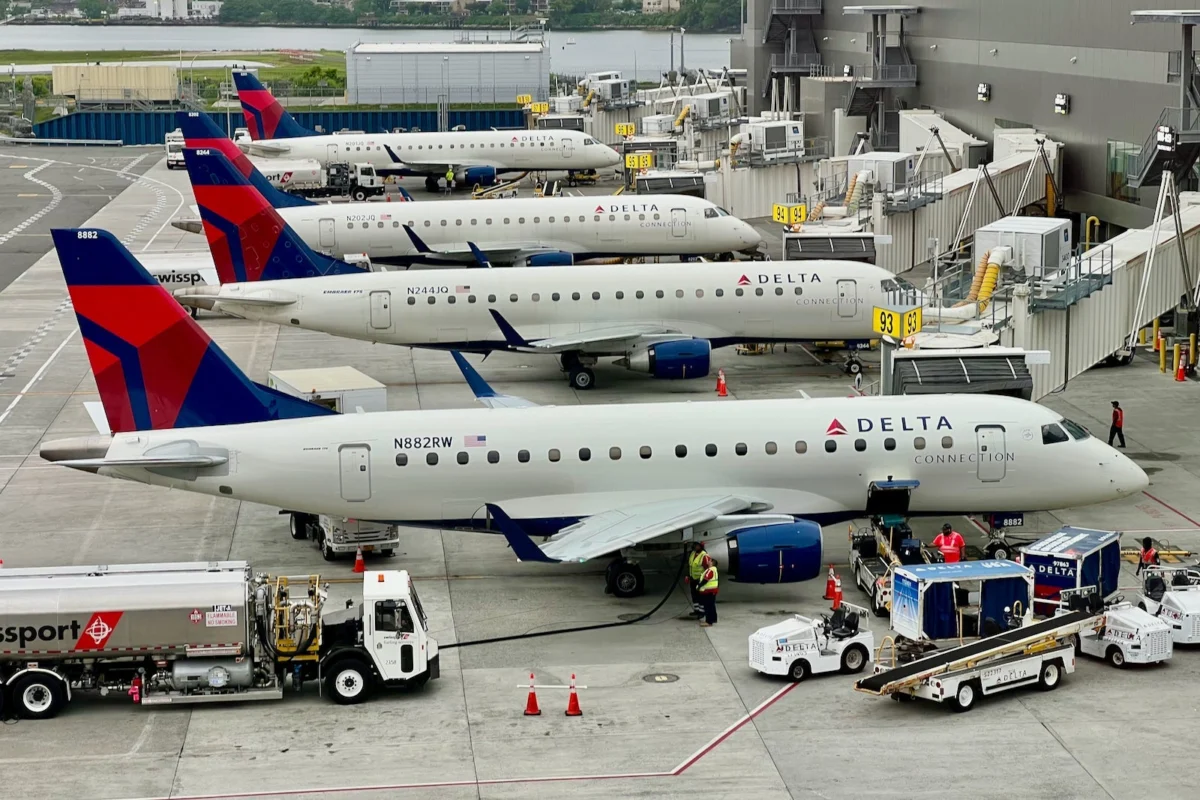
The Foundation of Delta’s Carry-On Philosophy
For many travelers, the goal is to avoid checked baggage altogether. Delta Air Lines remains relatively generous in this regard compared to ultra-low-cost carriers. Every passenger, regardless of their ticket type—including those in the much-maligned Basic Economy—is permitted one carry-on bag and one personal item at no additional cost. This policy stands in stark contrast to competitors like United Airlines, which restricts Basic Economy passengers to a single personal item on domestic routes.
However, "free" does not mean "unregulated." Delta’s guidelines for carry-on luggage are precise. A carry-on bag must not exceed 45 linear inches (the total of length, width, and height), with specific dimensions capped at 22 x 14 x 9 inches. These measurements must include wheels and handles, a detail where many travelers inadvertently run afoul of gate agents. The personal item, such as a purse, laptop bag, or small backpack, must be of a size that fits securely under the seat in front of the passenger.
A critical nuance in the Delta experience involves Delta Connection flights. These regional routes are often serviced by smaller aircraft, such as the Bombardier CRJ or Embraer E-Series. Due to the restricted overhead bin space on these planes, passengers are frequently required to "gate-check" their carry-on bags. While this service is free, it means the bag will be placed in the cargo hold. On most regional flights, these bags are returned on the jet bridge immediately upon deplaning, rather than at the baggage carousel, though travelers should always confirm this with the flight crew.
The Economics of Checked Baggage: Domestic and International Fees
When a carry-on isn’t enough, travelers must navigate the tiered pricing of Delta’s checked baggage system. For domestic travel within the United States, including Puerto Rico and the U.S. Virgin Islands, Delta recently adjusted its pricing structure. For a standard passenger in Basic Economy, Main Cabin, or Delta Comfort+, the first checked bag typically costs $45, while the second bag jumps to $55.
These fees are waived for those invested in Delta’s premium experiences. Passengers flying in Delta Premium Select, First Class, or the flagship Delta One cabin are entitled to at least two free checked bags, often with an increased weight allowance of 70 pounds per bag compared to the standard 50-pound limit for economy flyers. This weight differential is a significant "hidden" value of premium tickets; 20 extra pounds per bag can be the difference between a seamless check-in and a frantic reorganization of belongings at the ticket counter.
International travel introduces further complexity. While many transoceanic routes include at least one free checked bag for Main Cabin passengers, Basic Economy tickets on international routes often do not. For instance, a flight to Europe on a Basic Economy fare may require a fee for the first bag, whereas a standard Main Cabin fare includes it. Travelers must carefully weigh the "savings" of a Basic Economy ticket against the potential $75 to $100 fee for a checked bag on a long-haul flight.
Elite Status and the Power of the Medallion Program
Delta’s most loyal customers, known as Medallion members, enjoy some of the most robust baggage benefits in the industry. The SkyMiles Medallion program is divided into four tiers: Silver, Gold, Platinum, and Diamond. Each tier offers progressively better waivers.
Silver Medallion members, the entry-level elite tier, are generally allowed one free checked bag on domestic flights. Gold Medallion members receive two, and Platinum and Diamond members are granted three free bags. Perhaps the most valuable aspect of this benefit is that it extends to up to eight companions traveling on the same reservation. For a family of four, a single Platinum Medallion member could potentially save the group hundreds of dollars in baggage fees on a round-trip journey.
Furthermore, Medallion members benefit from a higher weight threshold. While a standard economy passenger is capped at 50 pounds, elites can often check bags up to 70 pounds without incurring overweight fees. This perk reflects Delta’s strategy of rewarding high-frequency flyers by removing the logistical friction often associated with heavy packing.
Leveraging Co-Branded Credit Cards
For the occasional traveler who does not fly enough to earn Medallion status, Delta’s partnership with American Express provides a "shortcut" to free baggage. Holding an eligible co-branded card—such as the Delta SkyMiles Gold, Platinum, or Reserve American Express Cards—grants the cardholder their first checked bag for free on Delta-operated flights.
This benefit is often cited by financial analysts as one of the primary reasons these cards maintain high retention rates despite their annual fees. If the annual fee for a Gold Delta SkyMiles card is $150 (often waived the first year), and a round-trip checked bag costs $90 ($45 each way), the card pays for itself in just two trips. Like the Medallion benefit, this also applies to companions on the same reservation, making it an indispensable tool for families.
Special Circumstances: Military, Oversize, and Overweight Items
Delta maintains a deep commitment to the U.S. Armed Forces, offering some of the most generous military baggage allowances in the aviation sector. Active-duty military members traveling on orders can check up to five bags for free, with each bag allowed to weigh up to 100 pounds and measure up to 80 linear inches. Even for personal travel, active-duty members receive significantly higher allowances than the general public, typically two to three free bags depending on the cabin.
For the general public, however, exceeding the standard limits is a costly endeavor. Overweight bags (51–70 pounds) on domestic flights typically incur a $100 fee, while bags between 71 and 100 pounds can cost $200. Oversize bags—those measuring between 63 and 80 linear inches—also carry a $200 price tag. Items exceeding 100 pounds or 80 linear inches are generally not accepted as checked baggage and must be shipped via Delta Cargo, a separate logistical arm of the company.
Special items, such as sporting equipment, often fall under standard baggage rules. A golf bag or a set of skis usually counts as one checked bag, provided they meet weight requirements. Delta has worked to simplify these rules to attract active travelers, ensuring that a trip to the slopes or the links doesn’t break the bank before the vacation even begins.
The 20-Minute Bags-on-Time Guarantee
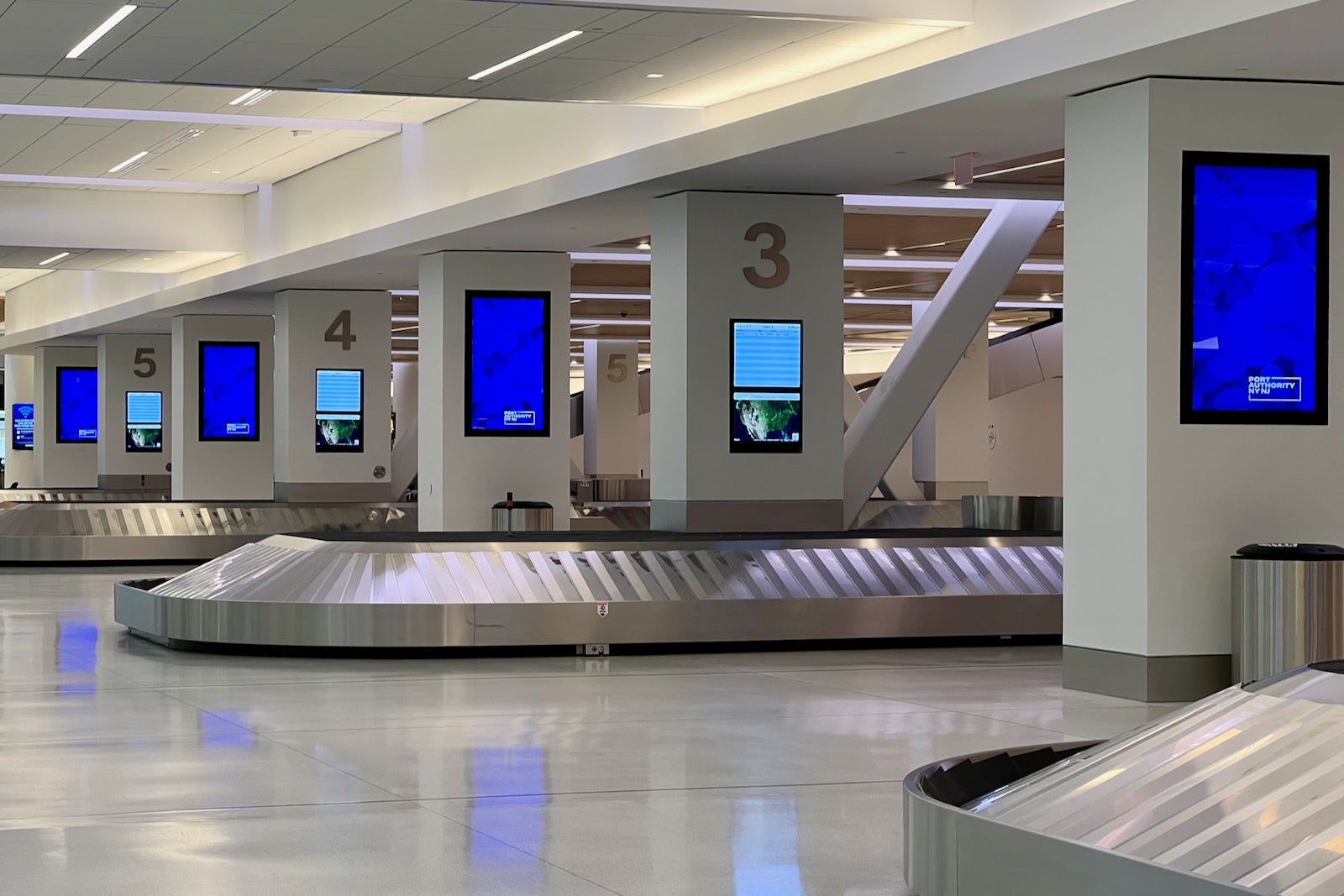
One of Delta’s most unique competitive advantages is its "20-Minute Checked Bag Guarantee." In an industry where waiting at the carousel can feel like an eternity, Delta pledges that your checked luggage will arrive at the claim area within 20 minutes of the aircraft door opening. If the airline fails to meet this mark on domestic flights, passengers can file a claim to receive 2,500 SkyMiles.
This policy is more than just a marketing gimmick; it is a data-driven operational commitment. By incentivizing ground crews and providing a "service recovery" mechanism for passengers, Delta has managed to turn a common pain point into a loyalty-building opportunity. For savvy travelers, 2,500 miles is a significant reward, often valued at approximately $30 in travel credit, effectively "refunding" a large portion of the baggage fee if the service is slow.
Strategic Redemptions: Paying with Miles
In a move to integrate its loyalty currency into every aspect of the travel journey, Delta allows SkyMiles members to pay for their baggage fees using miles at most domestic airports. Generally, the redemption rate is 1 cent per mile (e.g., 4,500 miles for a $45 bag fee). While travel experts often argue that miles are better spent on high-value flight redemptions, this option provides flexibility for "miles-rich, cash-poor" travelers or those looking to deplete a small balance of miles.
Conclusion: Navigating the Delta Ecosystem
Delta Air Lines’ baggage policy is a reflection of the broader aviation industry’s shift toward personalization and segmented pricing. While the base fees for checked luggage can be a source of frustration, the airline provides numerous avenues—through credit cards, elite status, and premium cabin bookings—to bypass these costs.
As Delta continues to invest in technology, such as RFID bag tracking and biometric check-in, the physical act of moving luggage is becoming more transparent. However, the financial responsibility remains with the passenger to understand the rules before arriving at the terminal. By mastering the specifics of dimensions, weight limits, and fee waivers, travelers can ensure that their journey with Delta is defined by the destination, rather than the stress of the check-in counter. Whether you are a once-a-year vacationer or a Diamond Medallion road warrior, a little preparation goes a long way in navigating the friendly—and sometimes expensive—skies.
