
 By Titik Puspa
New York is boldly stepping into the forefront of artificial intelligence regulation, launching a comprehensive safety and transparency initiative that is poised to become one of the most significant legislative frameworks of its kind in the United States. On Tuesday, the state officially opened a dedicated registration portal, marking a critical juncture for large-scale "frontier AI" developers, including industry titans like Anthropic and OpenAI. These entities are now formally required to register their advanced AI systems by January 1, 2027, signaling a new era of accountability and proactive risk management in the rapidly evolving AI landscape.
The cornerstone of this new regulatory architecture is the Responsible AI and Innovation Safety and Equity (RAISE) Act, a groundbreaking bill that officially takes effect at the beginning of next year. The RAISE Act imposes stringent obligations on "large frontier developers," defined by the legislation as companies exceeding $500 million in annual revenue. These companies will be mandated to publicly publish detailed safety frameworks outlining their strategies for mitigating AI risks. Furthermore, they must report any "critical safety incidents" – events that could have a significant negative impact on public safety or the environment – within a strict 72-hour window. In addition to these immediate reporting requirements, developers will also be obligated to issue regular public model transparency reports, providing insights into the capabilities, limitations, and potential risks associated with their AI systems. This multi-faceted approach aims to foster a culture of transparency and proactive safety, moving beyond reactive measures to prevent potential AI-driven harms.
To effectively implement and enforce the RAISE Act, New York has established the Office of Digital Innovation, Governance, Integrity, and Trust (DIGIT). This newly formed agency will serve as the primary oversight body, tasked with monitoring and regulating large frontier AI labs operating within the state. The DIGIT office will be empowered to impose substantial penalties for non-compliance. Violations of the RAISE Act can result in financial penalties reaching as high as $1 million for a single infraction, with subsequent or repeated violations potentially incurring fines of up to $3 million. The state also retains the authority to pursue enforcement actions against companies that fail to register through the new portal, although specific details regarding the nature and scope of these actions remain under wraps, as indicated by a spokesperson. This robust enforcement mechanism underscores New York’s commitment to ensuring that AI development proceeds responsibly and ethically, with significant financial deterrents in place to encourage adherence to the new regulations.
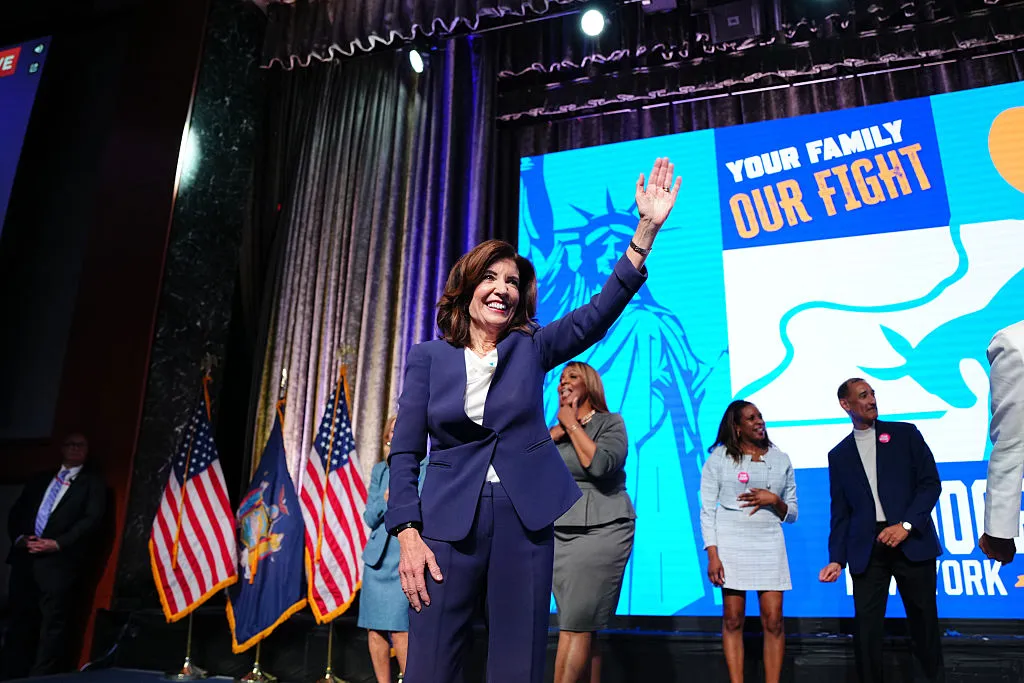
Governor Kathy Hochul, a vocal proponent of the new legislation, articulated her administration’s vision during a press briefing on Tuesday. Her remarks offered a pointed critique of the prevailing narrative often espoused by powerful tech industry leaders. "Tech moguls tell us that their vision for AI is inevitable," Governor Hochul stated, channeling the sentiment of urgency often conveyed by industry evangelists. "They tell us get on board or get left behind… That any collateral damage is worth it as long as we win the race to the AI cliff." This framing highlights a perceived tension between the rapid advancement of AI and the potential for unforeseen negative consequences, positioning New York’s regulatory efforts as a necessary counterbalance to unchecked technological ambition. The governor’s rhetoric emphasizes a commitment to prioritizing public well-being over the unfettered pursuit of technological progress, a stance that resonates with growing public concerns about the societal implications of advanced AI.
In tandem with the launch of the RAISE Act’s registration portal, Governor Hochul also unveiled the New York Center for AI Responsibility and Research. This new academic hub, strategically located at the State University of New York’s Binghamton University, is designed to serve as an independent arbiter of AI safety and ethics. The center will be instrumental in evaluating the safety, security, and operational integrity of advanced AI systems. Furthermore, it will collaborate closely with the DIGIT office to review the safety frameworks submitted by large frontier AI developers, providing a crucial layer of expert, unbiased analysis. The establishment of this research center represents a significant investment in scientific inquiry and independent oversight. Governor Hochul had initially announced the center in January, securing $55 million in donations and capital to fund its operations and research endeavors. This investment underscores a long-term commitment to fostering a robust ecosystem of AI research and development that is intrinsically linked to safety and ethical considerations.
"We’re building a national model for smart, sensible AI regulation, a model that puts communities above corporations and people above powerful technology," Governor Hochul declared, articulating the overarching philosophy guiding New York’s approach to AI governance. This statement positions New York as a potential leader in setting national standards for AI regulation, advocating for a people-centric approach that prioritizes societal benefit and protection over corporate interests. The state’s proactive stance aims to preempt potential harms and foster public trust in AI technologies, ensuring that innovation serves humanity rather than poses a threat to it. This ambitious vision seeks to create a regulatory environment that is both conducive to innovation and rigorously protective of citizens.
The RAISE Act is not an isolated piece of legislation; it is part of a broader and evolving strategy by New York to address the multifaceted challenges posed by artificial intelligence. Last year, the state began enforcing a law that mandates AI companion operators to clearly inform users when they are interacting with a bot. This transparency measure is coupled with a requirement for these operators to make reasonable efforts to detect and respond to instances of suicidal ideation and self-harm among users, reflecting a growing awareness of the potential mental health impacts of AI interactions. This earlier legislation laid the groundwork for more comprehensive AI safety regulations, demonstrating a progressive and adaptive approach to emerging technological risks.
Adding another layer to its AI safety agenda, Governor Hochul signed a separate chatbot safety law specifically for minors in October. This legislation, which takes effect on June 1, 2027, imposes restrictions on AI chatbot behaviors that could be detrimental to young users. These restrictions include prohibitions against deceptive human-like interactions, emotionally manipulative or sycophantic responses, and the encouragement of harmful behaviors such as suicide or disordered eating. The focus on minors highlights a particular concern for the vulnerability of children in their interactions with AI, recognizing the potential for these technologies to exploit or negatively influence developing minds.
New York’s comprehensive approach to AI regulation is not occurring in a vacuum. Other states are also recognizing the urgent need for similar legislative action. California, for instance, enacted SB 53 earlier this year, which mandates that frontier AI labs implement and publish safety frameworks, establish whistleblower protections for employees reporting safety concerns, and report critical safety incidents within a 15-day timeframe. Illinois is also moving forward with SB 315, slated to take effect at the start of 2027, which mirrors many of the RAISE Act’s requirements and additionally mandates independent safety compliance audits for AI developers. These parallel legislative efforts across different states suggest a growing consensus on the critical need for robust AI safety and transparency measures at the sub-national level, indicating a potential for a more unified national approach to AI governance in the future. The varied timelines and specific requirements of these state laws, however, also underscore the complexity and ongoing debate surrounding the optimal regulatory strategies for AI.
The implications of New York’s RAISE Act extend far beyond its borders. As a major hub for technology and finance, any significant regulatory move by the state is likely to influence practices and policies nationwide and potentially globally. The mandate for registration, public safety frameworks, and incident reporting creates a clear precedent for other jurisdictions considering similar legislation. The establishment of the DIGIT office and the AI research center further solidifies New York’s commitment to creating a sustainable framework for AI governance, one that balances innovation with accountability. The success of these initiatives will be closely watched by industry stakeholders, policymakers, and the public alike, as they collectively navigate the profound societal transformations promised by artificial intelligence. The state’s commitment to transparency and public safety, as articulated by Governor Hochul, suggests a deliberate strategy to steer AI development towards beneficial outcomes while mitigating the inherent risks, positioning New York as a pivotal player in shaping the future of responsible AI.
