
 By Rifan Muazin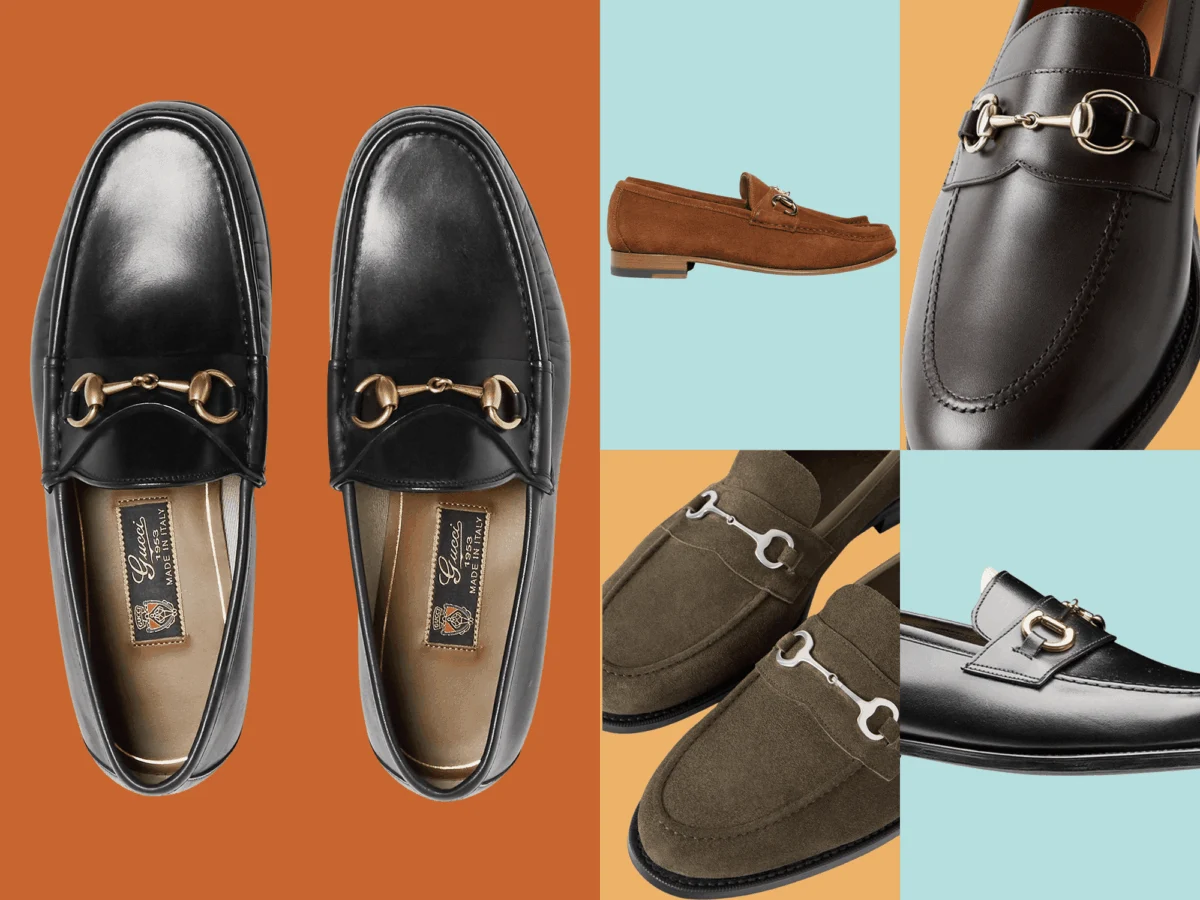
While the broader category of loafers includes everything from the humble penny to the rakish tassel, the horsebit loafer occupies the highest rung of the social ladder. Its origin story is inextricably linked with the house of Gucci, which first introduced the style in 1953 as a clever nod to the brand’s equestrian heritage. Aldo Gucci, the son of the house’s founder, observed the fascination elite travelers had with horse culture and translated that into a metal snaffle bit—a miniature double ring and bar—affixed across the leather vamp. The design was so revolutionary and influential that it eventually earned a permanent spot in the collection at The Metropolitan Museum of Art. Since then, it has spawned a legion of imitators, but the original DNA remains the gold standard for masculine elegance.
The true genius of the horsebit loafer lies in its versatility. You can wear them with almost anything: raw denim, crisp chinos, a three-piece suit, or even tailored shorts during a summer excursion. They possess a unique "agility," a term fashion critics use to describe a garment’s ability to traverse different dress codes with aplomb. They are sophisticated enough for a wedding but flashy enough to signal that you aren’t afraid of a little attention. To help you navigate the crowded field of options, we have tapped into decades of editorial expertise and firsthand testing to thin the herd, identifying the choicest pairs for every budget and aesthetic.
The Gold Standard: Gucci Horsebit 1953 Loafer
When people speak of the horsebit loafer, they are invariably imagining the Gucci 1953. Celebrating its 70th anniversary in 2023, this shoe has maintained its "grail" status through seven decades of shifting trends. Crafted in Gucci’s Italian ateliers, these loafers utilize a supple calfskin leather that feels like a second skin. Unlike many traditional dress shoes that require a painful "break-in" period, the Gucci 1953 is notoriously comfortable from the first wear. GQ editors have noted that the shoes hug the foot without the typical rubbing at the heel associated with stiff leather.
The technical details of the Gucci loafer are a masterclass in luxury. The edges of the soles are meticulously beveled to ensure there are no sharp angles, and the stitching channels are concealed within the sole for a seamless aesthetic. However, prestige comes with a trade-off. The leather soles are relatively thin and can be slippery on wet surfaces. Furthermore, Gucci does not offer an official resoling service, meaning owners often have to rely on high-end independent cobblers to add rubber "topy" soles for increased longevity and grip. At a price point of approximately $1,050, these are an investment in history as much as they are in style.
The Heritage Entry: G.H. Bass Lincoln Bit Weejuns
For those looking to enter the world of horsebit loafers without a four-figure commitment, G.H. Bass offers the Lincoln Bit Weejun. G.H. Bass is the company that effectively invented the American penny loafer, making them the architects of the Ivy League look. Their version of the bit loafer, priced at a more accessible $240, brings a rugged, All-American sensibility to the Italian-born silhouette.
The Lincoln features a classic moccasin-style construction with a handsewn toe and a full leather lining. While the Gucci model is known for its softness, the Bass Weejun is built to be a workhorse. The leather is buffed to a smooth, high-shine finish and is notably stiffer out of the box, requiring a few weeks of consistent wear to truly mold to the foot. Sizing can be tricky; many users find they need to size down from their sneaker size, though perhaps not as aggressively as one might with other dress shoes. It is a perennial favorite for those who want a "starter" loafer that still carries significant weight in the style community.
The Mediterranean Modernist: Morjas The Horsebit Loafer
In recent years, the Swedish-born, Spanish-made brand Morjas has become a darling of the menswear "moodboard" scene. Their horsebit loafer, priced at $410, bridges the gap between the budget-friendly Bass and the ultra-luxury Gucci. Morjas loafers are known for their sleeker, more contemporary profile. According to GQ Style Editor Yang-Yi Goh, the Morjas last (the wooden form used to shape the shoe) provides a dressier appeal that looks particularly sharp when paired with modern tailoring.
Handmade in Spain, these shoes offer impressive craftsmanship for the price, featuring a Goodyear-welted construction that allows for multiple resolings over the shoe’s lifetime. They are available in both smooth calfskin and rich suedes, providing options for different seasonal needs. Potential buyers should note that Morjas loafers tend to run large, and the brand often recommends consulting their sizing guide or contacting customer service to ensure a proper fit.
The Specialist’s Choice: Meermin 514578 Black Calf
Meermin has disrupted the luxury footwear market by offering high-end construction methods—specifically Goodyear welting—at prices that seem almost impossible. Their 514578 model is a "vegetarian" take on the horsebit, meaning it skips the traditional "beefroll" (the thick leather folds on the sides of the vamp). This results in a cleaner, more streamlined appearance that leans toward the formal.
The standout feature of the Meermin loafer is that it is completely unlined. This makes it as much a slipper as a shoe, offering supreme breathability and comfort during warmer months. Despite the lack of lining, the use of vegetable-tanned leather insoles ensures the shoe remains durable. At $215, Meermin offers perhaps the best price-to-perfection ratio in the industry, making it an ideal choice for the man who values technical specs over brand names.
The New England Craft: Rancourt & Co. Horsebit Loafer
Maine has a long-standing reputation as the epicenter of American shoemaking, and Rancourt & Co. is one of the few remaining guardians of that tradition. Their horsebit loafer is a testament to the "Made in USA" ethos. Every pair is hand-sewn using a moccasin construction that provides a level of flexibility and durability rarely found in mass-produced footwear.
Rancourt uses hand-burnished calfskin and imports their nickel-plated brass bits from Japan, ensuring that every component meets a high standard of quality. One unique feature of the Rancourt model is the oil-treated leather outsole, which offers enhanced water and abrasion resistance—a necessary feature for those navigating the unpredictable weather of the Northeast. While the production time can be lengthy because each pair is made to order, the result is a shoe that feels personal and permanent.
The Historical and Cultural Context
To understand the "flex" of the horsebit loafer, one must understand its cultural trajectory. After its 1953 debut, the shoe became the unofficial uniform of the 1960s and 70s jet set. Hollywood legends like Clark Gable and Fred Astaire were early adopters, signaling that the shoe was a tool of the glamorous and the well-traveled. By the 1980s, the horsebit loafer had migrated to Wall Street. It earned the nickname "deal sleds" among finance professionals, representing a certain level of professional arrival and aggressive confidence.
The "snaffle bit" itself is a piece of equestrian hardware used to communicate with a horse. By placing it on a shoe, Gucci tapped into the ancient association between horsemanship and the aristocracy. Today, that association has evolved into a symbol of "old money" style, often paired with the "quiet luxury" movement. However, the jangle of the metal bit ensures that the shoe is never too quiet; it is a statement piece that demands to be noticed.
Advanced Styling and Maintenance
The versatility of the horsebit loafer is its greatest asset, but it requires a discerning eye. For a "Riviera" look, they should be worn sockless (or with "no-show" socks) with white denim or linen trousers. The hem of the pant should hit just above the ankle to allow the shoe to breathe. For a more formal environment, they pair excellently with a slim-cut suit, provided the trousers have little to no break.
Maintenance is crucial for a shoe with metal hardware. Owners should regularly use a soft cloth to buff the brass or nickel bits to prevent tarnishing. Because horsebit loafers are often made of high-quality calfskin, they require regular conditioning with a neutral cream to prevent the leather from drying and cracking. Investing in cedar shoe trees is also non-negotiable; they help the shoe maintain its shape and absorb moisture after a long day of wear.
The GQ Methodology
Our selection process for these loafers is rigorous. We prioritize three key metrics: quality of materials, accuracy of fit, and value for the price. Our editorial team includes former retail workers, garment designers, and obsessive collectors who spend their lives analyzing the nuances of footwear. We test these shoes in real-world conditions—from New York City subways to international press trips—to ensure that our recommendations hold up under pressure. We favor brands that offer transparency in their sourcing and those that honor the traditional crafts of shoemaking while embracing modern innovations in comfort. Whether you are looking for the absolute original or a modern disruptor, the horsebit loafer remains the ultimate footwear flex for the modern man.
