
 By admin
As the sun rises over the revamped terminals of John F. Kennedy International Airport on this Monday, November 9, 2026, the global travel landscape bears little resemblance to the chaotic recovery years of the early 2020s. We have officially entered an era defined by what economists call "The Great Consolidation"—a period where the lines between financial services, airline operations, and hospitality have blurred into a single, seamless ecosystem. For the modern traveler, the journey no longer begins at the check-in desk or even the mobile app; it begins with a predictive algorithm fueled by multi-year loyalty data and a credit card market that has shifted from simple point-accrual machines to comprehensive lifestyle management tools.
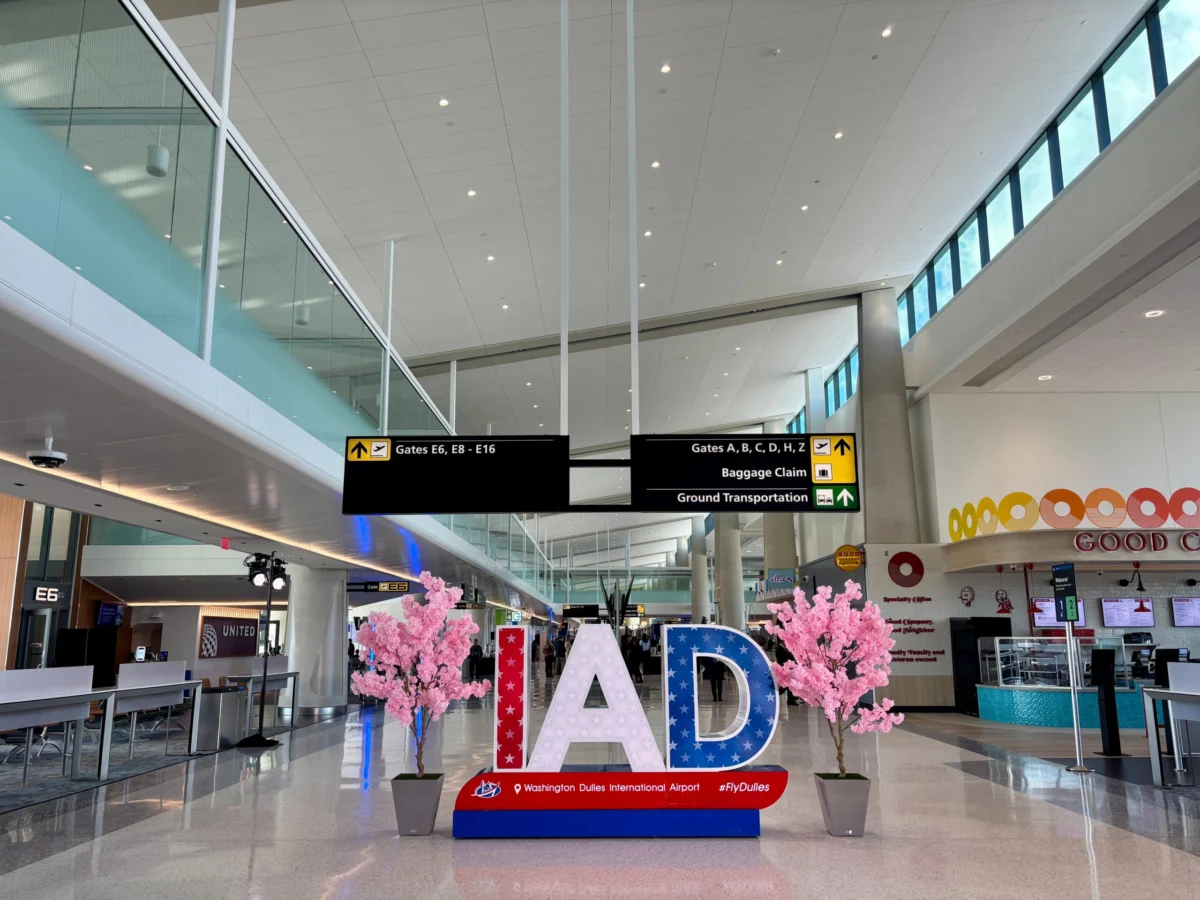
The featured image, captured by Edward Russell, highlights the sleek, minimalist aesthetic of the new premium lounges that have become the battleground for consumer loyalty. These spaces, once mere waiting areas, are now the physical manifestations of a brand’s promise. In 2026, the "Big Three" U.S. carriers—Delta, United, and American—have completed their pivot away from being mere transportation providers to becoming high-margin technology and financial entities. This shift is most evident in the way rewards are structured. Gone are the days of simple zone-based award charts or even the early iterations of dynamic pricing. Today, we navigate a "Fluid Value" system, where the cost of a seat in the sky is tethered in real-time to the traveler’s lifetime value (LTV) score, a metric that integrates credit card spend, historical travel patterns, and even social engagement.
The data supporting this shift is staggering. According to industry reports released in the third quarter of 2026, revenue from co-branded credit card partnerships now accounts for nearly 52% of total operating income for major North American airlines. This marks the first time in history that the financial products associated with flying have become more profitable than the act of flying itself. This "financialization of the skies" has led to a radical restructuring of the credit card market. Our analysis at the editorial desk suggests that while the "premium" card tier—those with annual fees exceeding $695—remains the most competitive, a new "ultra-premium" tier has emerged to cater to the top 1% of travelers, offering guaranteed upgrades and private terminal access as standard features.
Expert perspectives from the aviation sector suggest that this consolidation was inevitable. "By 2026, we’ve reached a saturation point in the credit card market," notes Dr. Aris Papadopoulos, a lead analyst in consumer finance. "Banks like Chase, American Express, and Capital One are no longer just fighting for your wallet; they are fighting for your entire itinerary. When you book a flight today, you aren’t just buying a seat; you are interacting with a complex web of insurance, lounge access, and ground transportation, all curated by your banking partner." This curation is driven by advanced Artificial Intelligence that has finally moved past the "chatbot" phase into true concierge functionality. In late 2026, a traveler can simply tell their device, "I need to be in London for a three-day conference on a budget of 150,000 points," and the system will optimize for the best seat, the most convenient hotel, and the highest point-earning potential, all while accounting for the user’s specific status levels.
However, this technological advancement comes with a new set of challenges. The "devaluation" of points remains a persistent concern for the savvy traveler. As the supply of points has increased due to aggressive sign-up bonuses and high-multiplier spend categories, the "cost" of luxury travel has risen in tandem. A business-class seat to Europe, which might have cost 60,000 miles a decade ago, now frequently fluctuates between 120,000 and 250,000 miles during peak periods. This has birthed a new class of "points-poor" travelers—those who earn millions of miles through business spend but find their purchasing power eroded by the very systems designed to reward them.
Analysis of the 2026 fleet modernization also plays a crucial role in this narrative. As Edward Russell’s reporting has frequently highlighted, the introduction of the next-generation narrow-body aircraft, such as the Airbus A321XLR and the finalized variants of the Boeing 737 MAX 10, has allowed airlines to fly thinner, long-haul routes with unprecedented efficiency. This has decentralized travel. No longer are passengers forced through massive hubs like Chicago O’Hare or Atlanta Hartsfield-Jackson for every international journey. Instead, we see direct "point-to-point" premium service from secondary markets like Raleigh-Durham or Austin directly to Paris or Tokyo. This shift has forced credit card issuers to rethink their lounge strategy, moving away from massive "Centurion" style clubs in hubs to more intimate, "boutique" lounge experiences in mid-sized markets.
Sustainability has also moved from a marketing buzzword to a core operational requirement in 2026. The "Green Tier" of loyalty programs has officially launched this year, where travelers can earn bonus miles for choosing flights powered by Sustainable Aviation Fuel (SAF) or for opting out of single-use plastics on board. Data from the International Air Transport Association (IATA) shows that as of November 2026, SAF production has increased by 400% compared to 2023 levels, though it still only accounts for a fraction of total fuel burn. To bridge the gap, airlines have partnered with carbon-capture startups, allowing credit card holders to "pay" for their carbon footprint using points—a controversial but increasingly popular feature among Gen Z and Millennial travelers who prioritize ESG (Environmental, Social, and Governance) metrics.
From a journalistic perspective, it is important to address the "Editorial Disclaimer" mentioned in our metadata. The opinions expressed in this new era of travel journalism must remain independent of the banking giants that fund the ecosystem. As cards become more integrated into our lives, the role of the critic becomes even more vital. We are no longer just reviewing a piece of plastic; we are reviewing a gateway to global mobility. The transparency of our "Product Review Methodology" is paramount when a single credit card approval can dictate whether a family of four can afford a vacation or if a business traveler can arrive refreshed for a career-defining meeting.
Looking ahead to the winter 2026-2027 season, the industry anticipates further disruption. The rumored "Super-App" merger between a major ride-share platform and a legacy carrier could create a "door-to-door" loyalty experience that eliminates the need for any third-party booking sites. Furthermore, the integration of biometric "Clear-Path" technology means that by the time you read this, your face will likely be your passport, your boarding pass, and your credit card all in one.
In conclusion, November 9, 2026, is not just another date on the calendar; it is a milestone in the evolution of human movement. The "Featured Image" of this era is one of efficiency, luxury, and deep data integration. While the barriers to entry for the "points and miles" game have never been higher, the rewards for those who navigate the system correctly have never been more substantial. We are witnessing the birth of a truly global, interconnected travel economy where the "currency" of the future is not the dollar or the euro, but the loyalty point—a digital asset that carries the weight of a gold standard in the 21st-century sky. As we continue to monitor these developments, our commitment remains to provide the analysis, reviews, and opinions that empower the traveler to take flight, regardless of how the landscape shifts. The cards are on the table, the planes are on the tarmac, and the future of travel has finally arrived.
