
 By Rifan Muazin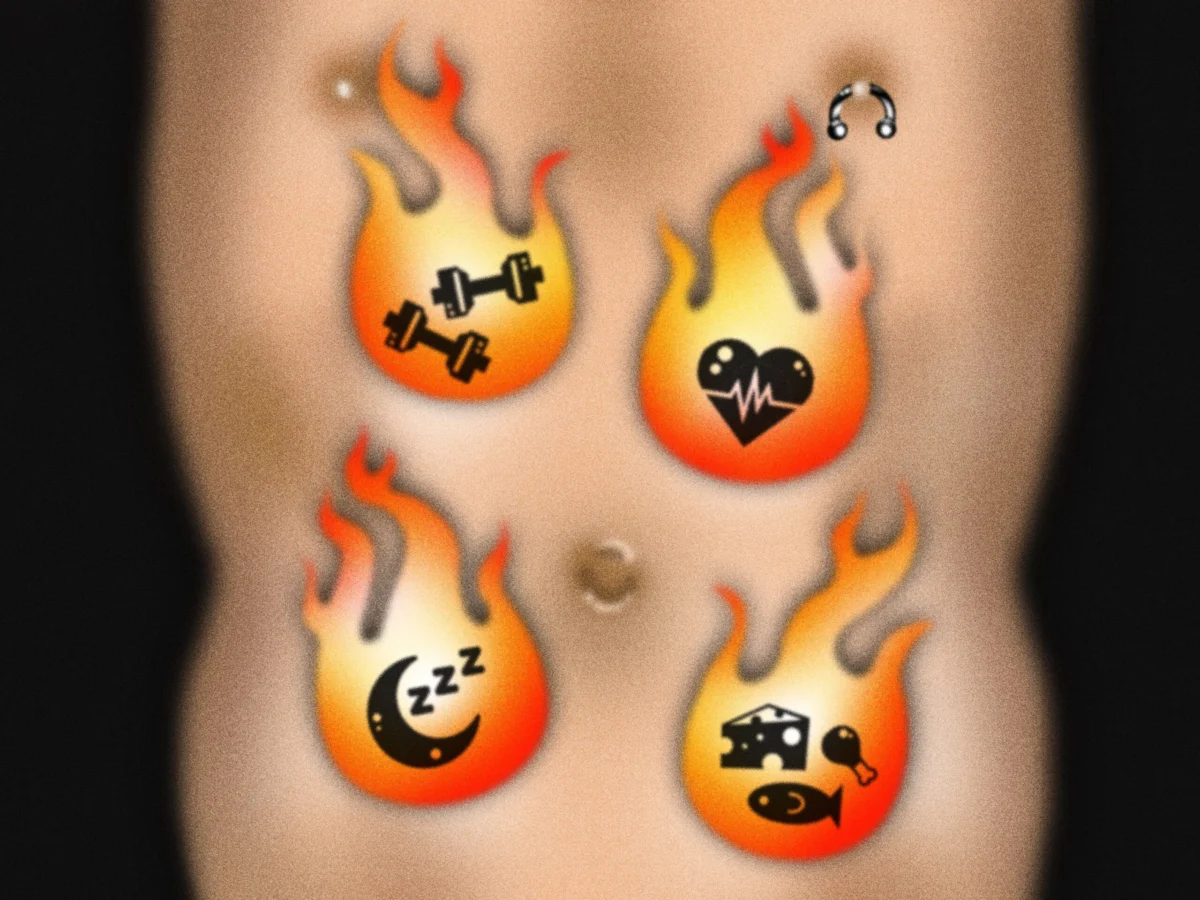
For decades, the fitness industry has been fueled by the seductive promise of "blasting belly fat" through targeted exercises, vibrating belts, and topical creams. From late-night infomercials of the 1990s to the algorithmic precision of modern social media influencers, the narrative remains the same: if you perform enough crunches or buy the right supplement, you can choose exactly where your body sheds its caloric reserves. However, this notion of "spot reduction" is perhaps the most audacious and persistent myth in the realm of human physiology. Scientific consensus, backed by rigorous metabolic research, confirms that targeted fat loss is simply not a mechanism the human body is equipped to perform.
According to Chris Mohr, PhD, RD, and cofounder of Mohr Results, the marketing machine often obscures biological reality. Mohr emphasizes that while consumers are bombarded with promises of localized fat loss, the body manages its energy stores based on a complex interplay of genetics, hormones, and systemic metabolic demands, rather than the proximity of a working muscle to a fat deposit. In essence, you can do a thousand sit-ups a day, and while you will certainly strengthen your abdominal wall, those muscles will remain hidden beneath a layer of adipose tissue until a systemic caloric deficit forces the body to draw energy from its stores—a process that happens globally, not locally.
However, the inability to "spot reduce" does not mean that belly fat is an immovable obstacle. On the contrary, understanding the specific nature of abdominal fat is critical for long-term health. Not all fat is created equal. While approximately 90% of the fat on the human body is subcutaneous—the soft, pinchable layer residing just beneath the skin—the remaining portion is often visceral fat. This is what medical professionals colloquially refer to as "belly fat," but its scientific implications are far more serious than mere aesthetics. Visceral fat is a hidden, metabolically active tissue that poses a significant threat to longevity and systemic health.
To understand why belly fat is more dangerous than "regular" fat, one must look at its location and its function. Subcutaneous fat, found on the arms, legs, and buttocks, serves as an energy reservoir and an insulator; while excessive amounts are linked to metabolic strain, it is not inherently toxic in moderate quantities. Visceral fat, however, is sequestered deep within the abdominal cavity, nestled behind the abdominal wall and wrapped around vital organs such as the liver, pancreas, and intestines. This proximity is not accidental; visceral fat acts almost like an independent endocrine organ, secreting inflammatory cytokines and interfering with normal hormonal signaling.
Dr. Rekha Kumar, Chief Medical Officer at Found and associate professor of clinical medicine at Weill Cornell Medical College, notes that visceral fat is highly inflammatory. Because it is drained by the portal vein directly into the liver, it releases free fatty acids and inflammatory markers that can lead to insulin resistance and systemic inflammation. This biological "baggage" is linked to a harrowing list of medical conditions. Beyond the well-known risks of type 2 diabetes and cardiovascular disease, elevated levels of visceral fat are associated with non-alcoholic fatty liver disease (NAFLD), sleep apnea, and even certain types of cancer, including colorectal and breast cancer.
The neurological implications are equally staggering. A landmark study conducted by the Kaiser Permanente Division of Research found that men with high levels of visceral fat in their midlife were more than three times as likely to develop dementia in later years compared to those with lower abdominal circumferences. Other research has uncovered strong correlations between abdominal adiposity and respiratory issues like asthma. Dr. Mohr points out that we are likely only scratching the surface of how this deep-seated fat affects human longevity, suggesting that it places individuals at risk for diseases we are still seeking to understand.
Because visceral fat is hidden from the naked eye and cannot be "pinched" like a love handle, identifying its presence requires different metrics than a standard bathroom scale. While high-tech options like CT scans or Dual-Energy X-ray Absorptiometry (DEXA) scans provide the most granular data on fat distribution, they are often inaccessible for the average person. Instead, medical experts recommend the waist-to-hip ratio as a reliable proxy for assessing risk. Dr. Kumar explains that for men, a ratio of 1.0 or higher—meaning the waist circumference is equal to or greater than the hip circumference—indicates a high health risk. A ratio of 0.95 or lower is generally considered the threshold for low risk.
Beyond the tape measure, there are physiological "red flags" that suggest an accumulation of visceral fat. These include elevated fasting blood sugar levels, low testosterone in men, and even structural issues like snoring or difficulty swallowing. As visceral fat builds up, it doesn’t just stay in the abdomen; it can begin to infiltrate the areas around the esophagus and trachea, leading to obstructive sleep apnea and other mechanical breathing issues.
The process of losing this dangerous fat requires a departure from the "cardio-only" mindset that dominated previous decades. To effectively combat visceral fat, one must prioritize resistance training. A 12-year longitudinal study from Harvard, which tracked 10,500 American men, concluded that weight training was significantly more effective at controlling waistline circumference than aerobic activity alone. Luke Carlson, CEO of Discover Strength, explains that strength training offers a dual-benefit: it increases lean muscle mass, which raises the basal metabolic rate (BMR), and it triggers an "afterburn" effect known as Excess Post-exercise Oxygen Consumption (EPOC). This metabolic spike can cause the body to burn 5% to 9% more calories for up to 72 hours following a vigorous session.
Furthermore, muscle tissue plays a pivotal role in hormonal regulation. Dr. Kumar notes that increasing lean body mass makes the body more sensitive to insulin. Since visceral fat is both a cause and a result of insulin resistance, building muscle creates a physiological environment where the body is less likely to store excess calories as abdominal fat. While steady-state cardio (like long-distance jogging) has its place in cardiovascular health, it is less effective at shifting the hormonal needle than high-intensity interval training (HIIT) or heavy lifting. Combining these modalities—such as incorporating strength movements into an interval-based workout—creates a potent metabolic stimulus for fat oxidation.
On the nutritional front, the focus must shift from "fad diets" to a sustainable caloric deficit paired with high protein intake. While low-carb diets are often touted as the "cure" for belly fat, research suggests that the total caloric balance is the primary driver of fat loss. However, macronutrient composition remains vital for body composition. Carlson and other experts recommend a protein intake of 0.7 to 1.0 grams per pound of body weight to preserve muscle mass during a deficit. Without adequate protein, the body may catabolize muscle tissue for energy, which lowers the metabolic rate and makes it harder to keep the fat off in the long term.
Hydration and fiber are the often-overlooked pillars of this nutritional strategy. Nate Feliciano, owner of Studio 16, mandates that clients aiming for fat loss drink half their body weight in ounces of water daily. Hydration is essential for lipolysis (the breakdown of fats) and helps prevent the misinterpretation of thirst as hunger. Similarly, fiber—found in vegetables, legumes, and whole grains—acts as a natural appetite suppressant. Dr. Mohr explains that most Americans consume only a fraction of the recommended fiber intake. By increasing fiber, individuals can achieve greater satiety, making it easier to maintain the caloric deficit necessary to tap into visceral fat stores.
Finally, the role of lifestyle factors, specifically sleep, cannot be overstated. A study published in Sleep Medicine revealed a significant inverse association between sleep duration and visceral fat mass. Participants who consistently slept less than six hours a night saw a marked increase in visceral fat accumulation over time, even when controlling for diet and exercise. This is largely due to the relationship between sleep deprivation and cortisol, the body’s primary stress hormone. Elevated cortisol levels signal the body to store fat specifically in the abdominal region as a survival mechanism. Interestingly, the study found that the protective benefits of sleep peaked at around eight hours, suggesting that there is a "sweet spot" for metabolic recovery.
Ultimately, losing belly fat is not about "blasting" a specific area with gimmicks; it is about a comprehensive metabolic overhaul. It requires a strategic combination of heavy lifting to build metabolic "machinery," high-protein nutrition to fuel that machinery, and adequate recovery to manage the hormonal signals that dictate fat storage. While you cannot choose where your body loses fat first, by addressing these systemic factors, you can ensure that the most dangerous fat—the visceral kind—is the first to go. The journey toward a leaner waistline is, in reality, a journey toward a more resilient, metabolically healthy, and longer-lived version of yourself.
