
 By admin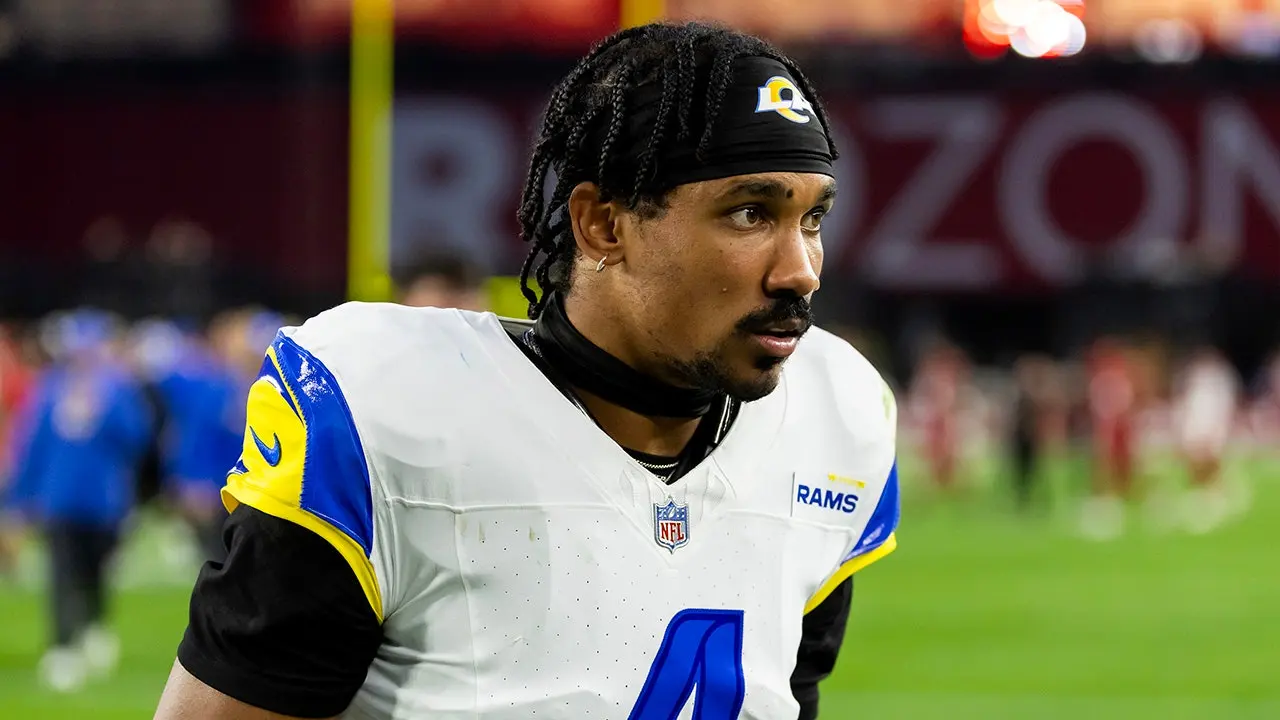
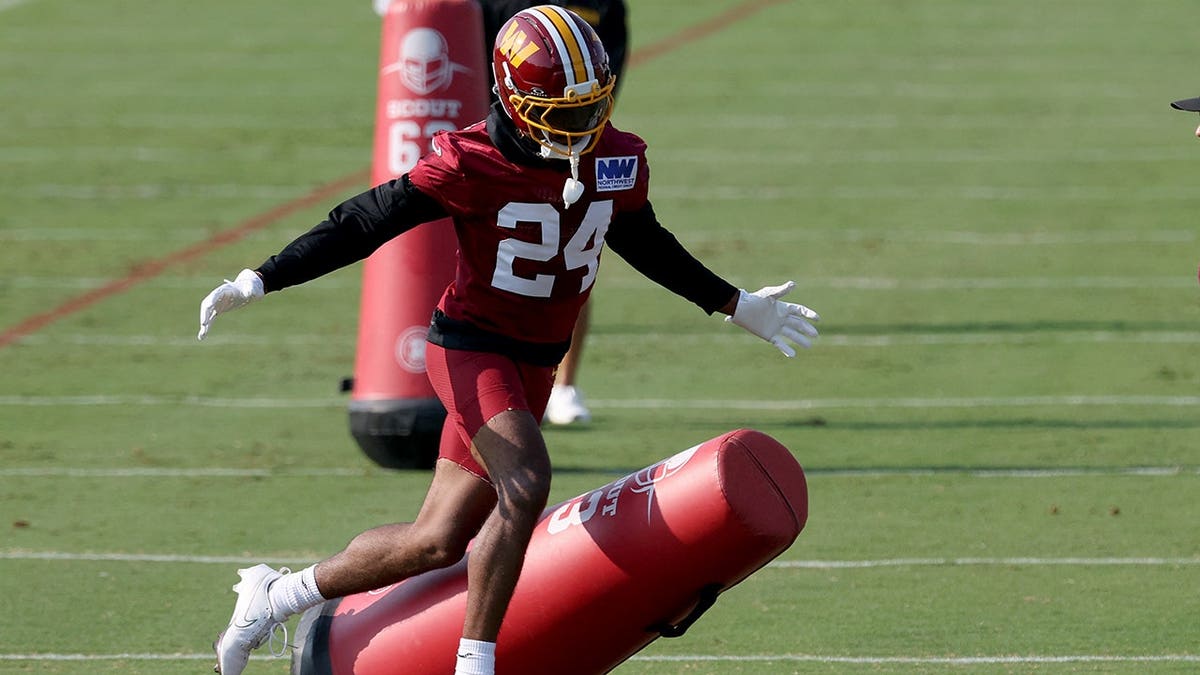
In a surprising turn of events that has sent ripples through the National Football League, Washington Commanders cornerback Ahkello Witherspoon has announced his retirement from professional football at the young age of 31. The team officially placed Witherspoon on the Reserve/Retired List on Tuesday, a move that was preceded by his participation in practice on Monday. Witherspoon informed the Commanders’ leadership of his decision Tuesday morning, according to reports from ESPN. This unexpected departure comes just months after he signed a one-year contract worth $1.41 million with the team in May, a deal that now will not see him take the field for the Commanders this upcoming fall season. To fill the void left by Witherspoon’s retirement, the Commanders have signed cornerback Fabian Moreau.
Witherspoon’s NFL journey began after a standout collegiate career at the University of Colorado, where he established himself as a formidable defensive back. During his 37 games with the Buffaloes, he amassed an impressive 71 tackles, three interceptions, 27 passes defended, and forced one fumble while recovering another. His senior year was particularly noteworthy, as he led all of NCAA Division I college football with an astounding 22 passes defended, a testament to his coverage skills and ball-hawking ability. This collegiate success caught the attention of NFL scouts, and the San Francisco 49ers selected him in the third round of the 2017 NFL Draft. He quickly became an integral part of their defensive secondary.
During his four seasons with the 49ers, Witherspoon started 33 of the 47 games he played, accumulating 117 tackles and four interceptions. One of his interceptions was notably returned for a touchdown, showcasing his playmaking potential. He also registered 24 passes defended during his tenure in San Francisco. Following his time with the 49ers, Witherspoon signed with the Seattle Seahawks. However, his stint in Seattle was short-lived, as he was traded to the Pittsburgh Steelers before ever playing a game for the Seahawks. He then spent the subsequent two seasons in Pittsburgh.
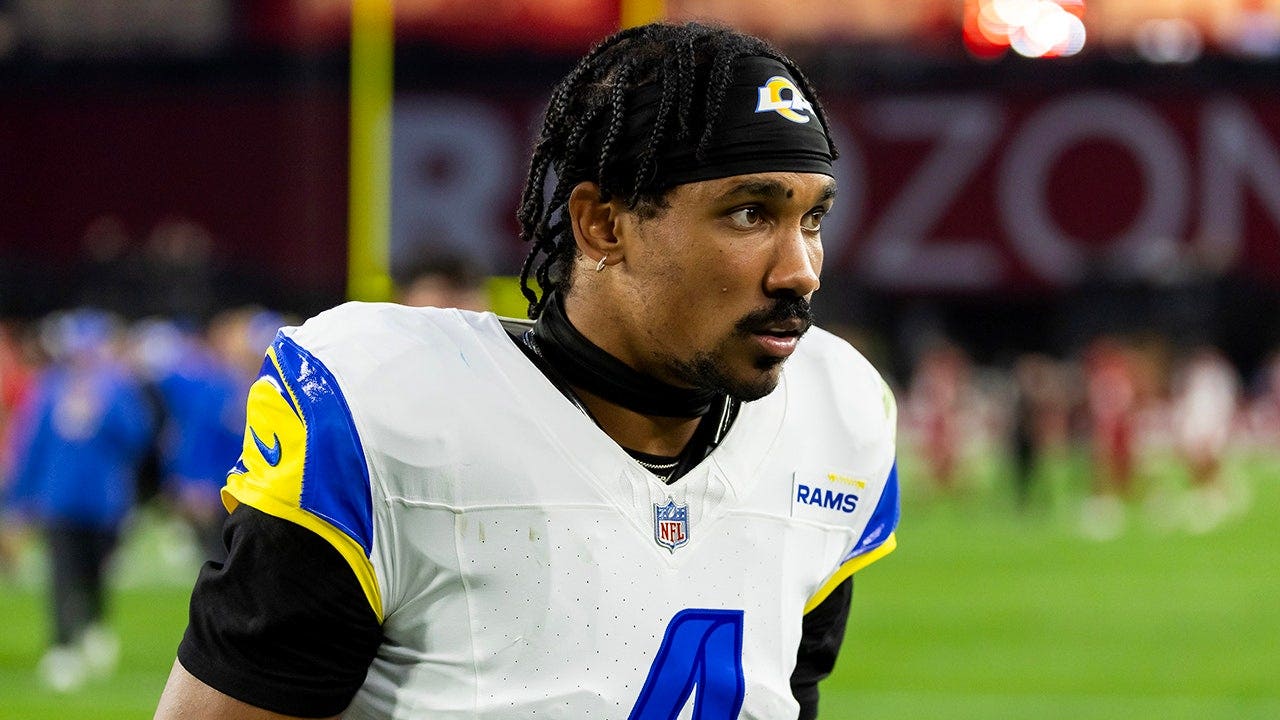
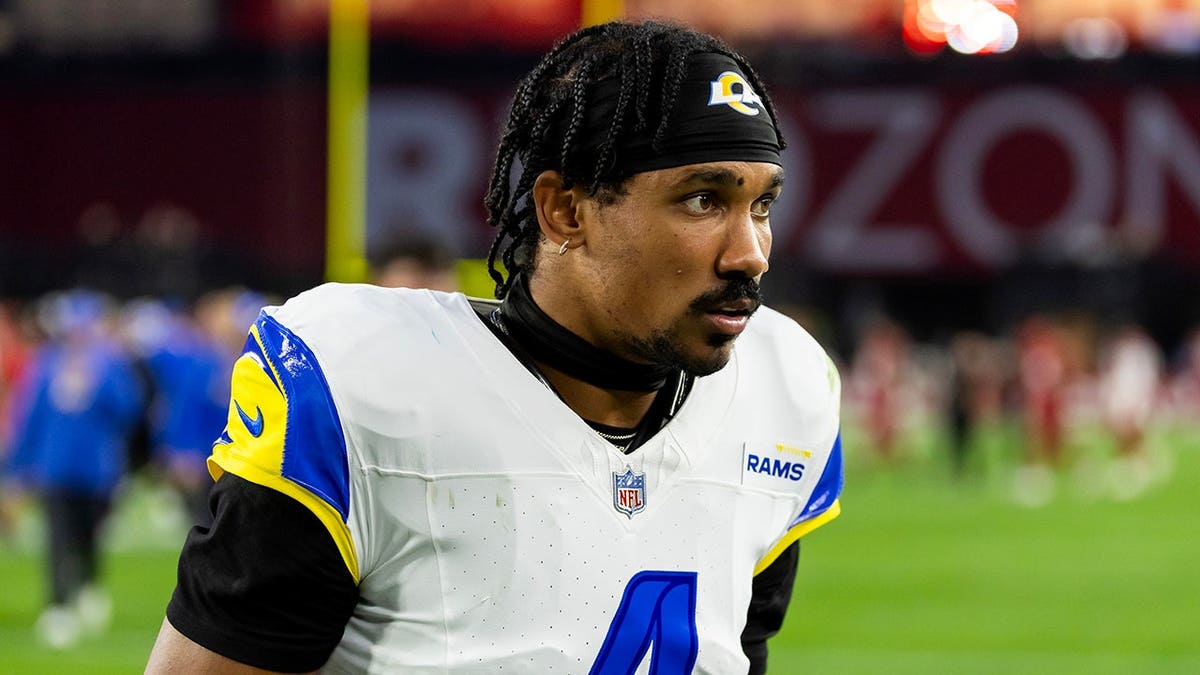
In his 13 games with the Steelers, Witherspoon started seven of them, recording 35 tackles and four interceptions across his two seasons. This period in Pittsburgh marked another chapter in his NFL career, where he continued to be a contributing member of a competitive defense. After his time with the Steelers, Witherspoon embarked on a series of one-year contracts, signing with the Los Angeles Rams. It was with the Rams that he experienced arguably the best season of his career during his first year with the team. He started all 17 games, recording 52 tackles and three interceptions, demonstrating his ability to be a consistent and impactful starter.
Over the course of his NFL career, Witherspoon played in 96 games, starting 64 of them. He amassed a total of 243 tackles, 13 interceptions, and defended 60 passes. His career statistics paint a picture of a seasoned defensive back who was a reliable presence in multiple NFL secondaries.
The decision to retire at 31, especially after signing a new contract, raises questions about the underlying reasons for his abrupt departure from the game. While the article does not delve into specific details, players often cite a variety of factors for early retirements, including the physical toll the sport takes, a desire to pursue other opportunities, or personal well-being. The NFL is an undeniably demanding profession, and the cumulative effect of years of intense physical competition can lead players to re-evaluate their career paths.
The addition of Fabian Moreau by the Commanders signals the team’s immediate need to address the cornerback position. Moreau, a veteran himself, brings experience to the defensive backfield. His signing will be crucial in bolstering the team’s depth and coverage capabilities as they prepare for the upcoming season without Witherspoon.
Witherspoon’s collegiate performance at Colorado was a significant launchpad for his professional aspirations. His ability to lead the nation in passes defended in his senior year highlighted his exceptional talent and potential. This individual achievement underscored his understanding of coverage schemes and his capacity to disrupt passing plays, skills that are highly valued in the NFL.
The San Francisco 49ers’ decision to draft him in the third round in 2017 was a strategic move to strengthen their defensive backfield. His contributions to the 49ers’ secondary during his tenure were significant, forming a key part of their defensive unit. His ability to start a majority of the games he played for them speaks to his reliability and importance to the team’s defensive schemes.
The series of trades and team changes throughout Witherspoon’s career – from Seattle to Pittsburgh, and then to Los Angeles – showcases the dynamic and often unpredictable nature of the NFL. Players can find themselves on new teams through various means, and adapting to new environments and systems is a constant challenge. Witherspoon navigated these transitions, demonstrating his resilience and continued commitment to playing at the highest level.
His time with the Los Angeles Rams, particularly his last season where he started every game and put up strong individual numbers, suggests that he was still performing at a high level. This makes his retirement even more surprising, as it was not necessarily preceded by a significant decline in performance or a prolonged period of injury that might typically prompt such a decision.
The statistical breakdown of his career – 64 starts in 96 games, 243 tackles, 13 interceptions, and 60 passes defended – provides a comprehensive overview of his impact on the field. These numbers reflect a player who was consistently involved in the action, making plays and contributing to his team’s defensive efforts. His interception total, while not among the league leaders historically, is respectable, and his passes defended indicate a player who was often in a position to break up passes, a crucial skill for any cornerback.
The context of his retirement at 31 also places him among a cohort of players who, while still physically capable of competing, may choose to step away from the intense demands of the NFL. The league’s culture is increasingly recognizing the importance of player well-being and long-term health, and it is possible that Witherspoon’s decision is a reflection of this evolving perspective within the sport. The physical and mental rigors of an NFL season, including extensive training, travel, and game-day intensity, can take a significant toll over a career.
The announcement of Witherspoon’s retirement serves as a reminder of the transient nature of professional sports careers. Players dedicate years to honing their craft, enduring physical challenges, and striving for success, only for their careers to conclude, often with little notice. The Washington Commanders will now need to navigate the remainder of their offseason and prepare for the upcoming season with a reshuffled cornerback room. The impact of Witherspoon’s departure will undoubtedly be felt, and the team will look to its remaining players and new additions to fill the void. As Witherspoon embarks on his post-NFL life, his career will be remembered for his collegiate accolades, his contributions to multiple NFL franchises, and his surprising decision to retire at the peak of his professional experience.
